When you think of a thriving vegetable garden, healthy soil is key to ensuring your plants have the nutrients and structure they need to grow. One effective way to improve your garden’s soil quality is by tilling a mixture of sand and compost into the ground. While this may seem like an extra step, it is a practice that provides multiple long-term benefits for your plants. Here is why tilling in sand and compost can make a difference and how it helps your garden thrive.
- Improving Soil Structure

![Hands holding soil]()
The foundation of a healthy vegetable garden is its soil structure. Sandy soils are naturally loose and well-drained but can lack the nutrients needed for plants to thrive. Compost, on the other hand, is rich in organic matter that helps to bind sandy soil particles together, improving their structure. When you mix sand with compost and till it into your existing garden, you create a soil texture that’s both loose enough for root growth but firm enough to hold onto moisture and nutrients.
The end result is soil that drains well yet retains moisture, offering the best of both worlds. This means your plants are less likely to suffer from waterlogged roots or dried-out soil during hot spells.
- Enhancing Drainage
In areas where the soil tends to be heavy or compacted, adding sand helps to break up dense layers, promoting better drainage. For gardens that struggle with water pooling or poor runoff, this is a game-changer. Tilling sand into the garden soil ensures that excess water has a place to go, reducing the risk of root rot and other water-related issues.
However, it’s essential to use the right amount of sand. Too much can lead to soil that drains too quickly, causing nutrients to wash away before plants can absorb them. A balanced mixture with compost helps prevent this and keeps everything in check. We recommend and sell our Mix & Till products at a 50% sand / 50% compost ratio. That ratio is ideal when you are adding to existing dirt. Only our Mix & Till blends that use peat use a 25% peat / 75% sand ratio. This is because peat not only retains 25x’s its weight in moisture and also because it can greatly lower the soil pH when added at a higher percentage.
Tips for Using Sand in Your Garden 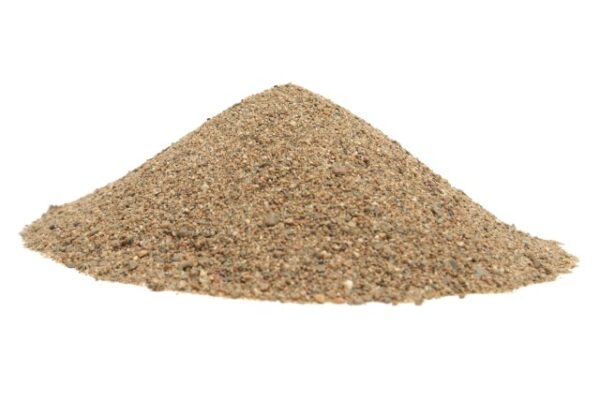
- Use the proper sand for the intended application. Fine sand is best for gardens that are in the ground. Coarse sand is the better choice for above the ground gardens and planting beds.
- Till sand thoroughly with the soil, ensuring even distribution throughout the planting area.
- Monitor soil moisture levels regularly, especially in the initial stages after adding sand, to prevent overwatering or under watering.
- Boosting Nutrient Content
Compost is rich in essential nutrients like nitrogen, phosphorus, and potassium—elements that are vital for plant health. By tilling compost into your garden, you’re adding a steady source of these nutrients to the soil. As the compost breaks down over time, it releases these nutrients slowly, providing your vegetables with a constant supply throughout the growing season.
Moreover, compost improves the soil’s ability to hold onto nutrients, preventing them from leaching away with rainfall or irrigation. This ensures that your garden is nutrient-rich and reduces the need for synthetic fertilizers, which can be costly and potentially harmful to the environment.
The type of compost you chose is up to you. To learn more about choosing the best compost for your situation, read our Blog Post: The Top 5 Composts – Benefits and Best Uses
- Increasing Soil Fertility
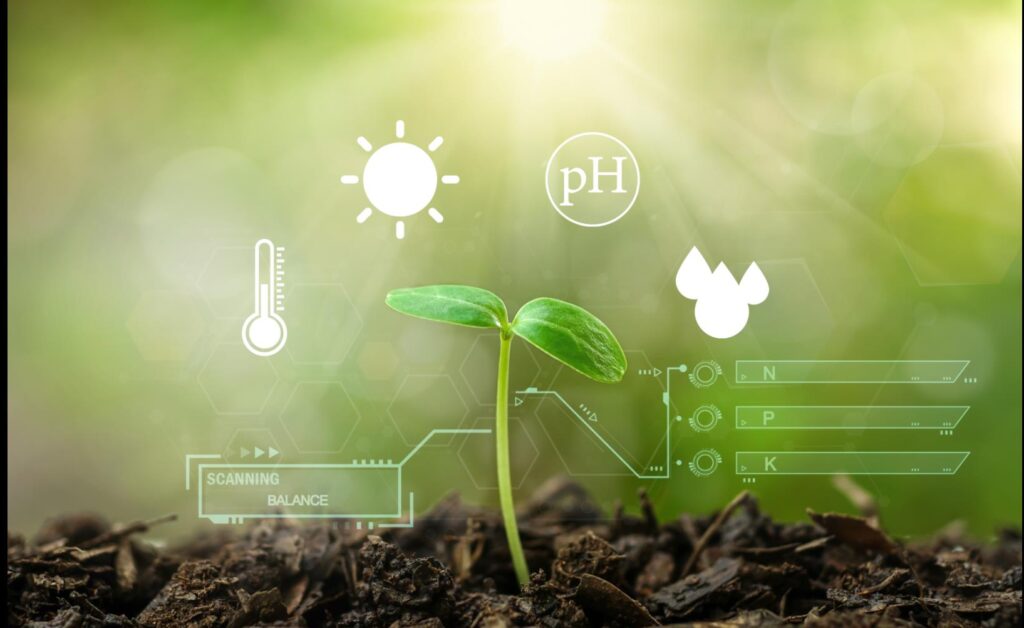 One of the most significant benefits of mixing compost into your garden is the improvement in soil fertility. Compost contains a wide variety of microorganisms that break down organic material and release valuable nutrients into the soil. These microbes also help break down any residual organic material, transforming it into humus, which is the most fertile form of soil. With increased fertility, your garden will have the capacity to support more vigorous plant growth.
Incorporating sand into the soil can also help make these nutrients more accessible. Sand helps prevent compaction and increases porosity, allowing plant roots to penetrate the soil more easily and access the nutrients compost has provided.
- Improving Aeration
 Tilling helps loosen up compacted soil, allowing air to penetrate the ground. This is particularly beneficial for root development. The addition of sand further aids in aeration, as its rough texture provides additional space for air pockets in the soil. Well-aerated soil supports the growth of beneficial soil organisms like earthworms, which in turn further improve soil health and fertility.
Better aeration allows the roots of your vegetable plants to grow deeper and spread out, giving them more room to access water and nutrients. It also improves the soil’s overall health, making it more resilient against compaction in the future.
- Supporting Healthy Root Development

![raised bed soil mix]()
When you add compost and sand to your garden, you’re creating an environment that supports healthy root growth. The roots of your vegetable plants will have more room to expand, allowing them to take up more water and nutrients, which leads to better overall plant health. In addition, the loose structure of the soil enables plants to grow stronger, reducing the chances of stunted growth or poor yields.
- Encouraging Beneficial Soil Organisms
Soil health isn’t just about nutrients; it’s about fostering the right ecosystem of organisms that work in harmony to break down organic matter, promote root growth, and keep harmful pests at bay. When you till in sand and compost, you’re helping to create a thriving habitat for microorganisms, earthworms, and beneficial fungi.
These organisms play a crucial role in maintaining soil health, as they help aerate the soil, improve its structure, and break down organic material into usable nutrients. A thriving ecosystem in your soil means fewer issues with pests and disease, reducing the need for chemical interventions.
- Reducing Soil Erosion
In garden beds that experience heavy rainfall or wind, soil erosion can become a problem, washing away essential nutrients and leaving the soil depleted. The addition of sand and compost can help reduce erosion by stabilizing the soil and preventing it from being easily displaced. The organic matter in compost helps bind soil particles together, while sand helps maintain the structure and prevents excessive compaction.
Final Thoughts
Tilling in a mixture of sand and compost into your in-ground vegetable garden is one of the best ways to improve soil structure, fertility, and aeration. The same can be said for above ground, Raised Beds Gardens although the mixing-in method may require using a smaller rototiller or even hand tools. However, adding both sand and compost is not something you need to do very often. The sand will remain in the soil over many growing seasons. But the same cannot be said for compost. Garden vegetables can deplete the soil of the nutrients provided by compost in as little as one growing season! Adding and tilling in compost alone in the years after the introduction of a Mix & Till blend is a great approach to take.
The benefits of a Mix & Till blend are multifaceted – ranging from better drainage and nutrient content to enhanced root growth and support for beneficial soil organisms. When done in correctly, this practice can help you build a more resilient garden that thrives year after year.
Whether you’re preparing for the upcoming growing season or looking to rejuvenate tired soil, adding sand and compost to your garden is a small investment with big returns. Be sure to check out all of our Mix & Till options available through Tim Wallace Soil Mix Supply.
Happy gardening!