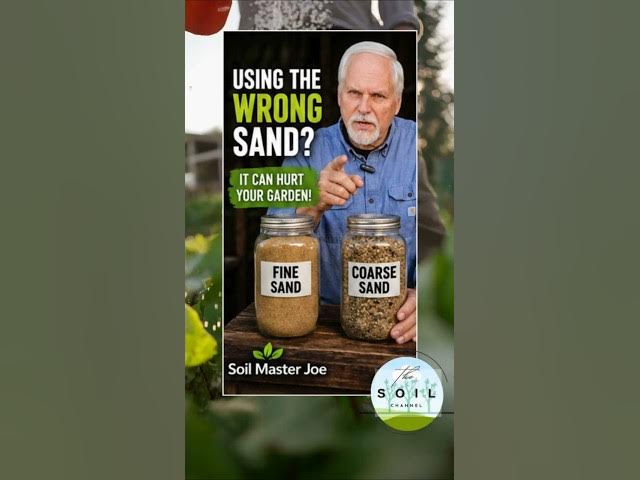
When most gardeners think about improving their soil, compost and organic matter usually get all the attention. But there’s a quiet hero in the gardening world—sand. When used correctly, sand can dramatically improve your garden soil’s structure, drainage, and plant health. The key is knowing which type of sand to use and why.
Why Add Sand to Garden Soil?
Garden soil needs the right balance of texture to keep plants thriving. Clay-heavy soils can hold too much water, choking roots, while overly loose soils drain too fast, leaving plants thirsty. Sand, when mixed properly, helps strike that perfect balance.
Here’s what sand brings to the table (or the garden bed):
- Improved Drainage – Prevents waterlogging and root rot.
- Better Aeration / Porosity – Allows oxygen to reach plant roots more easily.
- Enhanced Root Growth – Roots grow deeper and stronger in looser soil.
- Long-Term Soil Structure – Unlike organic matter, sand doesn’t break down over time.
- Easier Cultivation / Tillage – Looser soil is simpler to work with during planting and weeding.
Fine Sand for In-Ground Gardens
For traditional in-ground vegetable and flower gardens, fine sand is the go-to choice. This type of sand blends smoothly with your native soil, breaking up dense clay pockets and creating a lighter, fluffier texture.
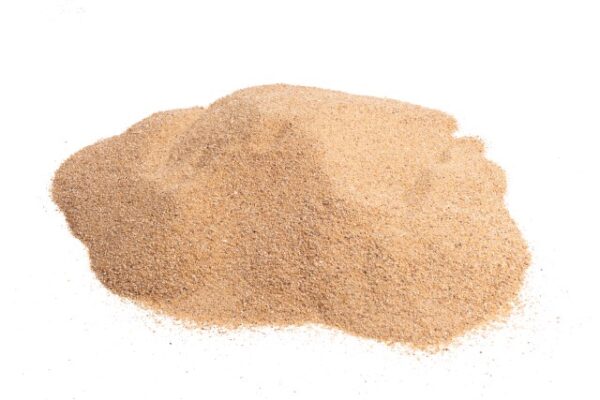
Benefits of fine sand in in-ground gardens:
- Reduces compaction so roots can spread easily.
- Helps water drain evenly across planting beds.
- Works well in combination with compost to create the ideal loamy mix.
- Improves early spring soil warming, getting your plants off to a faster start.
Pro Tip: Mix fine sand with compost in a 3:1 ratio for noticeable improvement in heavy clay soils.
Coarse Sand for Raised Bed Gardens
Raised beds often have different needs because they’re typically filled with a custom soil blend rather than native ground soil. Coarse sand—sometimes called “torpedo sand” or “builder’s sand”—has larger particles that prevent soil from becoming too dense over time.
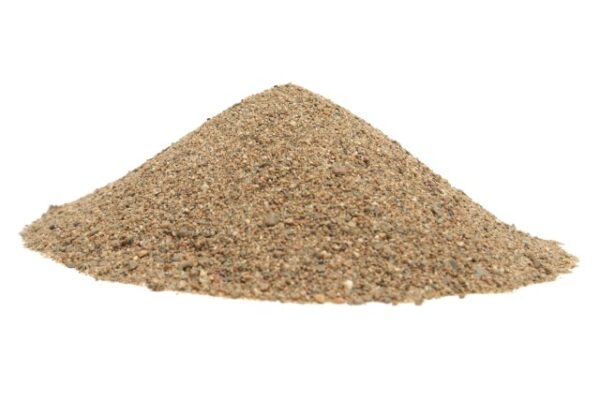
Benefits of coarse sand in raised beds:
- Keeps the soil loose and friable for years.
- Ensures rapid drainage, even after heavy rains.
- Prevents the mix from settling and compacting under its own weight.
- Ideal for root vegetables like carrots and potatoes that need space to grow straight and strong.
Pro Tip: In raised beds, aim for about 25% coarse sand in your soil mix, along with topsoil and compost for a balanced growing medium.

![Not all sand is created equal]() Choosing Quality Sand Matters
Choosing Quality Sand Matters
Not all sand is created equal. Avoid beach sand, which can contain salt, or play sand, which is too fine and can actually compact your soil. Instead, purchase washed, horticultural-grade sand—the kind we provide at Tim Wallace Soil Mix Supply—to ensure purity and proper particle size.
Final Word
Adding the right type of sand to your garden soil is like opening the door for your plants to breathe, drink, and grow without struggle. Whether you’re breaking up stubborn clay in an in-ground garden with fine sand or keeping a raised bed blend loose with coarse sand, this humble material can be the missing ingredient your garden has been waiting for.
Whether its sand, topsoil, compost or a specialty soil blend – Tim Wallace Soil Mix Supply has what you need for a beautiful, healthy and productive garden. Call or stop by today!
Click on the picture to the left to start watching our “Garden Killer” YouTube video series all about how to protect your garden.
Click on the picture below to watch our Soil Channel YouTube about the proper use of sand your garden.