Your End-of-Season Garden Checklist from Tim Wallace Soil Mix Supply
As the growing season winds down and the weather begins to chill, it’s time to shift focus from harvesting to preparing your vegetable garden for winter. What you do now—before the ground freezes—can make all the difference in how your garden performs next spring.
At Tim Wallace Soil Mix Supply, we help home gardeners build better gardens year-round. So here’s our expert guide to winterizing your garden bed so you can hit the ground running when planting season returns.
Why Winter Prep Matters
![Winter Garden Prep for Spring is Important]()
Think of winter prep as recharging your soil’s battery. Skipping this important step can lead to:
- Nutrient depletion
- Soil erosion
- Increased weed growth
- More pests and diseases overwintering
With a few simple tasks and the right bulk soil amendments, you’ll protect your investment and boost soil health all winter long.
Why does garden soil lose nutrients after just one season?
When you grow vegetables, you’re basically asking the soil to give a lot. Plants pull nutrients like nitrogen, phosphorus, and potassium out of the soil to grow leaves, stems, roots, and fruit. Once you harvest those vegetables, those nutrients are now gone from the soil—they left with the plant.
Think of it like a bank account:
- Every plant you grow is making a “withdrawal” from the soil’s nutrient balance.
- If you don’t “deposit” those nutrients back in (with compost or other amendments), your soil balance goes down—and fast.
- You can’t expect your garden to produce nutrient-dense foods form nutrient- deficient soil.
What causes this depletion?
- Plant Growth Takes Nutrients: Fast-growing vegetables like tomatoes, corn, and squash are heavy feeders. They use a lot of nutrients in a short time.
- Harvesting Removes Nutrients: When you pull veggies from the garden, you’re also removing the nutrients stored in them (which came from the soil).
- Watering and Rain Leach Nutrients Away: Rain and watering can wash nutrients (especially nitrogen) deeper into the soil where plant roots can’t reach them.
- Soil Microbes Need Food Too: Healthy soil is full of tiny microbes that help plants grow—but they need organic matter to thrive. Without fresh compost or mulch, their food supply runs out.
End-of-Season Vegetable Garden Checklist
![End of Season Garden Checklist]()
- Remove Spent Plants and Weeds
Old plants can harbor pests, fungi, and disease. Pull out vegetable remnants, trim any stubborn weeds, and dispose of them (don’t compost diseased material).
Pro Tip: If you had healthy, disease-free plants, chop them up and compost them—they’re full of nutrients!
- Add Organic Matter to Rebuild the Soil
After a full season of growing, your soil is hungry. Replenish it now with rich, organic compost or soil amendments that will slowly break down over winter.
Best products for fall garden enrichment:
- Organic Compost – Aged and nutrient-rich for improved soil structure
- Purple Cow Classic Compost – Certified organic, high in microbial life
- Composted Horse Manure – Excellent for adding nitrogen and organic matter
- Mushroom Compost – Great for boosting microbial activity and conditioning heavy clay soils
- Peat – Lightens compacted soils and helps retain moisture
All of these are available in bulk from Tim Wallace Soil Mix Supply—perfect for raised beds and in-ground gardens alike.
- Top Off or Refill Raised Beds
If your raised beds have settled over the season, fall is the perfect time to top them off with our Raised Bed Mix—a nutrient-rich blend of screened topsoil and organic compost.
Doing it now means you’ll be ready to plant the moment spring arrives.
- Consider Cover Crops or Mulch
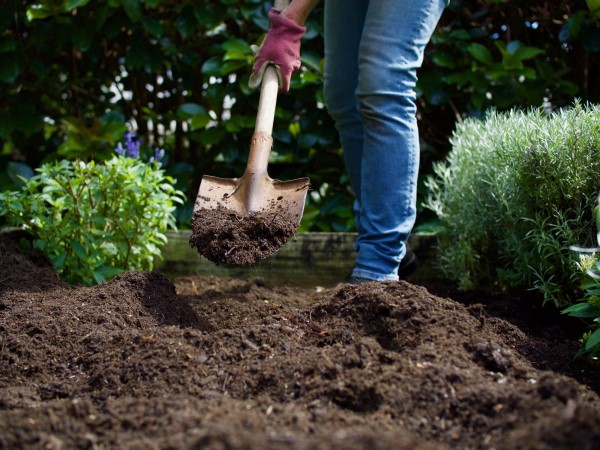 To prevent erosion and suppress weeds, many gardeners choose to plant a cover crop (like winter rye) or add a layer of mulch.
Pro Tip: Apply a 2–4″ layer of Organic Compost, shredded leaves, or clean straw instead. This acts as a natural mulch, adding nutrients and protecting your soil from harsh weather.
- Test and Amend Your Soil (Optional)
Fall is a great time to test your soil’s pH and nutrient levels, then add lime, sulfur, or other amendments as needed.
If your garden struggled this season, you might be dealing with poor soil structure or low fertility. Ask us about how our custom soil blends can help correct common issues like:
- Clay compaction
- Drainage problems
- Low organic content
When is the best time to add amendments like compost to a vegetable garden?
![Raised Bed Garden in Fall]()
Autumn is arguably the best time to add amendments like compost to a vegetable garden for several key reasons:
1. Soil Has Time to Absorb Nutrients
Adding compost in the fall gives soil several months to break down organic matter and incorporate nutrients. Microbial activity continues well into the cool months—especially in the top few inches—meaning the compost is already working before spring planting begins.
2. Soil Structure Improves Over Winter
Compost improves soil texture—loosening clay or binding sandy soils. When added in fall, freeze-thaw cycles help naturally mix the compost into the native soil. This enhances drainage, aeration, and root penetration by the time spring rolls around.
3. Reduces Spring Workload
Spring gardening is already busy with planting, weeding, and bed prep. Amending your garden in autumn reduces that burden, letting you hit the ground running when it’s time to plant.
4. Helps Suppress Weeds and Erosion
A layer of compost acts as a natural mulch, helping suppress fall/winter weed seeds and protecting your soil from erosion caused by rain, wind, or melting snow.
5. Boosts Soil Microbial Life
Compost feeds beneficial soil microbes, which continue to break down nutrients even during cold months. A fall application gives your garden a microbial head start—resulting in healthier soil and stronger plant growth come spring.
6. Prepares Beds for Early Crops
With compost already in place, your beds are ready to accept early spring crops like peas, spinach, and lettuce without delay.
In short, fall composting builds better soil while you rest. Your spring garden will thank you with stronger roots, earlier growth, and better yields
Why Chicagoland Gardeners Trust Tim Wallace Soil Mix Supply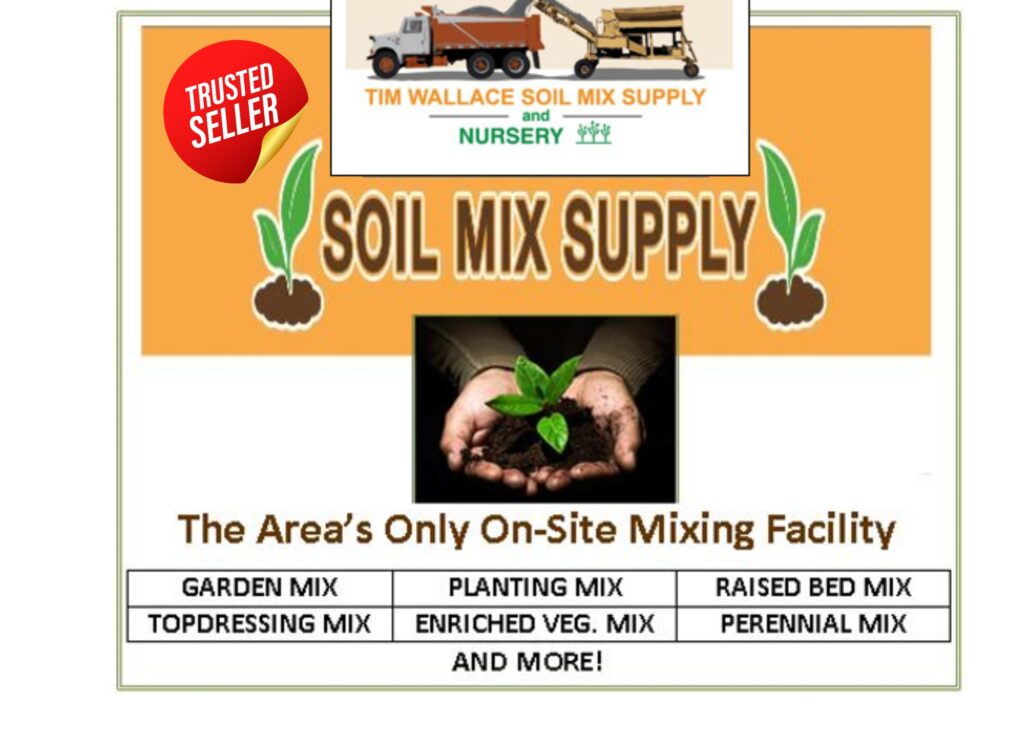
![Tim Wallace Soil Mix Supply - the area's only On-Site Blending Facility]()
For decades, we’ve provided high-quality bulk soil, compost, and organic amendments for homeowners throughout the Chicago suburbs we offer:
- Bulk pick-up or delivery
- Locally sourced, time-tested soil blends
- Friendly advice from soil and compost experts
Our Top Winter Prep Soil Products
- Organic Compost

![Soil Prep Options]()
- Purple Cow Classic Compost (OMRI-listed)
- Composted Horse Manure
- Mushroom Soil Compost
- Peat
- Tim’s Original Garden Mix
- Raised Bed Mix
- Screened, pulverized Topsoil
All perfect for replenishing, mulching, or topping off your garden this fall.
Pro Tip: If your garden doesn’t have a sand component, consider adding sand along with your compost. Fine sand for in the ground gardens and coarse sand for raised bed gardens. Check out our “Mix & Till” options and we’ll blend them together for you!

![In Winter - Look Ahead to Spring]() Looking Ahead to Spring
Looking Ahead to Spring
Prepping your garden now means less work—and better results—come spring. So think of it as setting the stage for earlier planting, fewer weeds, and healthier, more productive vegetables.
That way, when your neighbors are still waiting for their soil to thaw or dry out, you’ll already be planting.
Ready to Winterize Your Garden?
Let us help you prep like a pro. Call us or order your bulk compost, topsoil, or garden mix today—and give your soil the rest and nutrition it needs this winter. (630) 759-1080