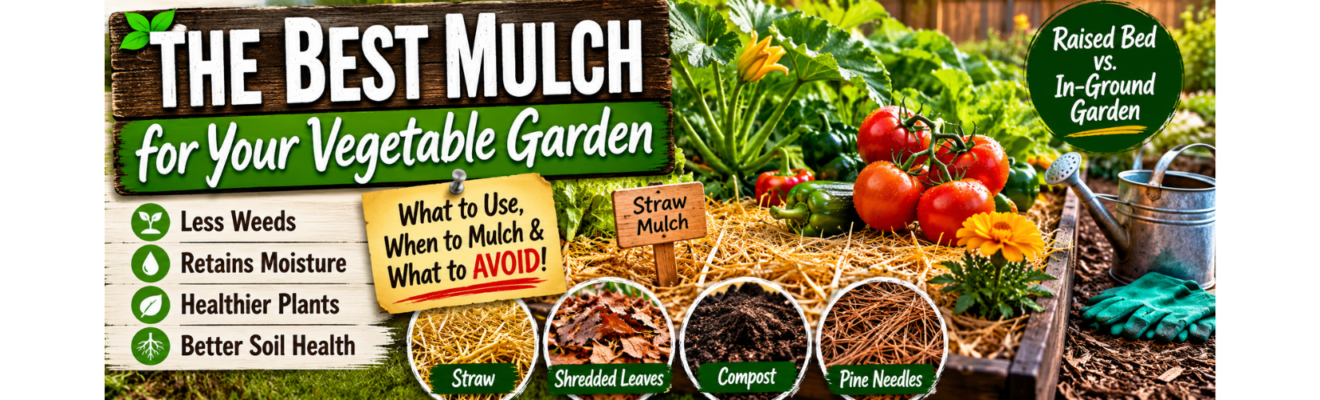
If you’ve ever walked through a thriving vegetable garden and noticed dark, rich soil, fewer weeds, and healthier plants, there’s a good chance mulch played a major role.
But not all mulch belongs in a vegetable garden.
As a specialty soil provider, we see this mistake all the time: homeowners using whatever mulch they have left over from landscaping around tomatoes, peppers, or raised beds—only to wonder why growth slows, soil stays too wet (or too dry), or plants struggle.
The truth is, the best mulch for a vegetable garden depends on what you’re growing, where you’re growing it, and when you apply it.
Here’s the complete guide to choosing the right mulch for your home vegetable garden.
Why Mulch Matters in a Vegetable Garden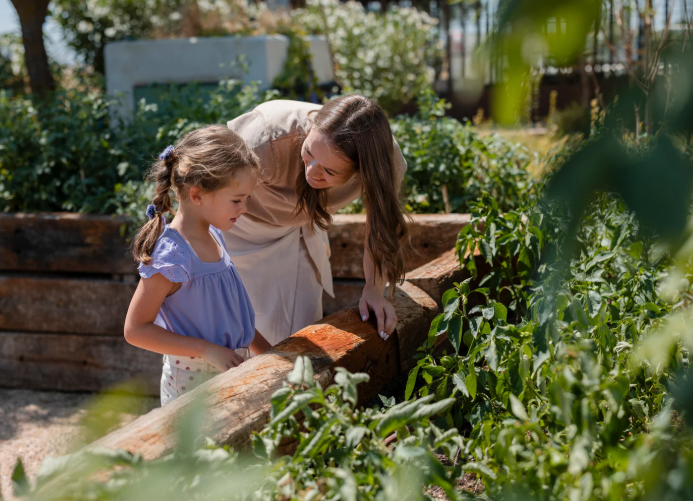
A proper vegetable garden mulch does much more than make your beds look tidy.
The right mulch helps:
- Retain valuable soil moisture
- Reduce weed competition
- Moderate soil temperature
- Prevent soil splash (which can spread disease)
- Reduce compaction from rain
- Improve soil structure over time (with organic mulches)
- Support beneficial microbial life
- Reduce watering frequency
In short: mulch makes gardening easier and helps plants perform better.
Best Mulches for Vegetable Gardens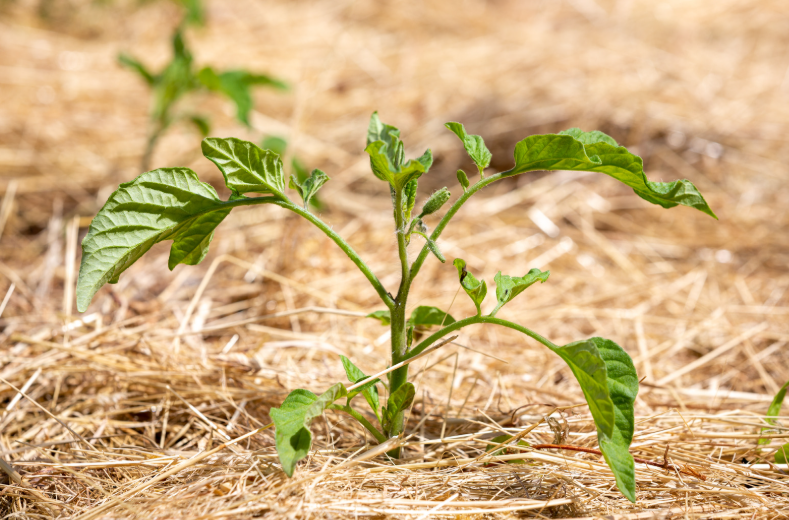
- Clean Straw (Top Recommendation for Most Gardens)
If there’s one all-around winner for vegetable gardens, it’s clean straw.
Why it works:
- Excellent moisture retention
- Suppresses weeds well
- Lightweight and easy to spread
- Keeps fruits clean (especially strawberries, cucumbers, melons)
- Breaks down slowly enough to last a season
- Improves soil organic matter over time
Best for:
- Tomatoes
- Peppers
- Cucumbers
- Squash
- Melons
- Beans
- Strawberries
- Raised beds
- In-ground gardens
Important note:
Use weed-free straw, not random farm bedding straw loaded with seeds.
A seeded bale can create a weed disaster.
Apply 2–4 inches deep.
- Shredded Leaves (Excellent Free Option)

![Fall Leaves as a Garden Mulch]()
If you want a budget-friendly mulch, shredded fall leaves can be fantastic.
Benefits:
- Adds organic matter
- Encourages earthworm activity
- Improves soil structure
- Helps moisture retention
Best for:
- Root crops
- Brassicas (broccoli, cabbage, kale)
- Garlic
- Onions
- Perennial food gardens
Important:
Whole leaves mat together and can block water and oxygen.
Always shred first.
Apply 2–3 inches deep.
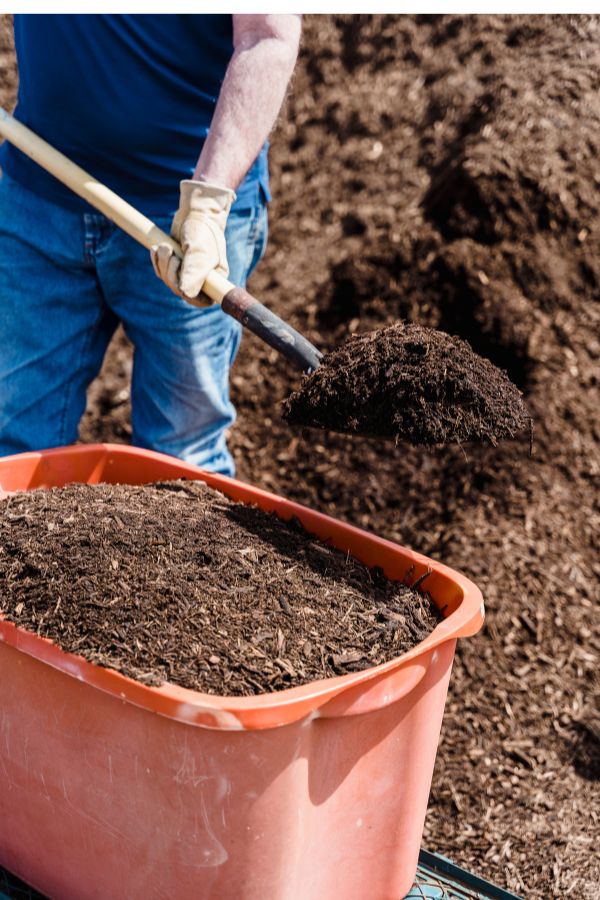
- Compost as a Light Mulch
![Compost as a Garden Mulch]()
Compost works differently than traditional mulch, but it can be highly effective.
Great for:
- Raised beds
- Intensive vegetable gardening
- Nutrient-hungry crops
Benefits:
- Feeds soil biology
- Adds nutrients
- Improves moisture retention
- No nitrogen tie-up issues
Best crops:
- Tomatoes
- Peppers
- Eggplant
- Lettuce
- Greens
Limitation:
Compost doesn’t suppress weeds as well as straw.
Think of compost as a soil-feeding mulch, not a heavy weed barrier.
Apply 1–2 inches.
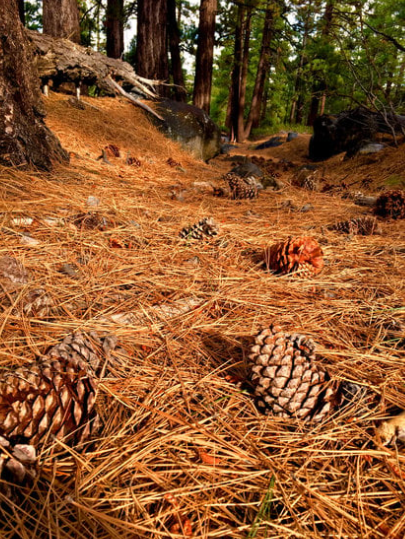
- Pine Needles (Selective Use)
![Pine Needles]()
Pine needles can work surprisingly well in some vegetable gardens.
Benefits:
- Great airflow
- Lightweight
- Don’t mat heavily
- Good around certain crops
Best for:
- Strawberries
- Garlic
- Paths between beds
Contrary to myth, pine needles won’t dramatically acidify your garden soil once aged.
Raised Bed vs In-Ground Garden: Is the Best Mulch Different?
Yes—sometimes.
Raised Beds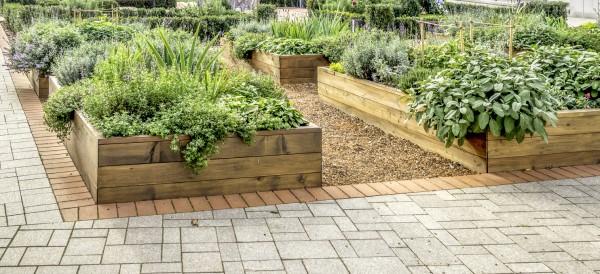
Raised beds:
- Drain faster
- Warm faster in spring
- Dry out faster in summer
- Usually contain lighter, more organic-rich soil
Best mulch choices:
✅ Straw
✅ Compost
✅ Shredded leaves
✅ Pine needles (crop dependent)
Because raised beds lose moisture faster, mulch becomes even more important.
Avoid overly thick mulch in cool spring weather because it can delay warming.
In-Ground Gardens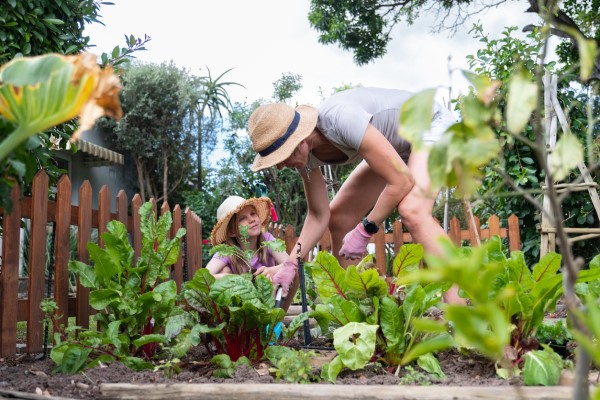
In-ground beds:
- Hold moisture longer
- Warm more slowly
- Can compact more easily
- Are more vulnerable to splash-borne disease
Best choices:
✅ Straw
✅ Shredded leaves
✅ Compost (light layer)
✅ Grass clippings (with caution)
In-ground gardens often benefit more from mulch’s temperature moderation and splash protection.
Mulch Recommendations by Crop Type
Tomatoes
Best:
- Straw
- Compost + straw combo
Why:
Reduces soil splash, which helps limit disease issues like early blight.
Peppers & Eggplant
Best:
- Straw after soil warms
Why:
These heat-loving crops dislike cool soil.
Wait until soil reaches roughly 65°F+.
Cucumbers, Squash, Melons
Best:
- Straw
Why: Keeps fruit off damp soil and reduces rot risk.
Lettuce, Spinach, Cool-Season Greens
Best:
- Compost
- Light shredded leaves
Why: Heavy mulch can trap excessive moisture and reduce airflow.
Root Crops (Carrots, Beets, Radishes)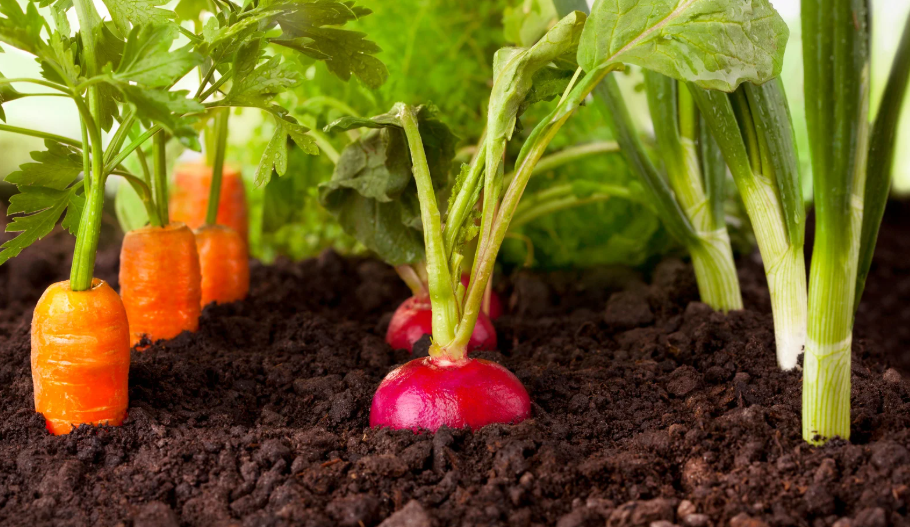
Best:
- Light shredded leaves
- Thin straw
Why: Too much heavy mulch can interfere with germination.
Garlic & Onions
Best:
- Straw
- Shredded leaves
Why: Excellent winter protection and weed suppression.
When Should You Apply Mulch?
Timing matters. One of the biggest mistakes gardeners make is mulching too early.
Spring Application Rule:
Wait until:
- Soil has warmed appropriately
- Seedlings are established
- Direct-seeded crops have germinated
General targets:
- Cool-season crops: around 50–55°F soil temps
- Warm-season crops: 60–65°F+ soil temps
Mulch applied too early can:
- Keep soil cold
- Slow growth
- Delay germination
- Encourage excess moisture problems
Summer Refresh
By midsummer, mulch often thins.
Add a fresh light layer if:
- Soil becomes exposed
- Weed pressure increases
- Moisture loss increases
Fall/Winter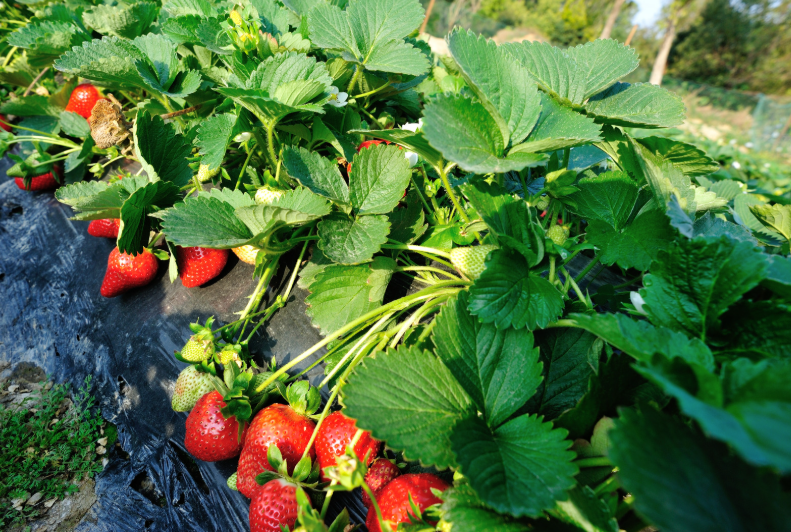
For overwintering crops:
- Garlic
- Strawberries
- Perennial herbs
A thicker protective mulch layer is helpful.
Mulches to Avoid in Vegetable Gardens
Dyed Landscape Mulch
Avoid.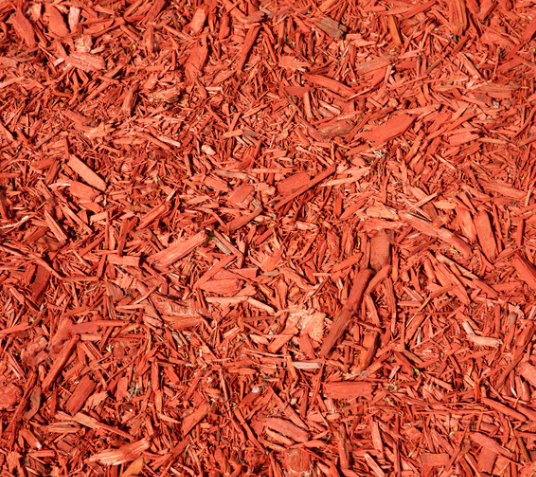
Why:
- Unknown wood sources
- Possible contaminants
- Designed for ornamental beds, not food production
Fresh Wood Chips Around Vegetables
Usually avoid in planting zones.
Why:
- Can temporarily tie up nitrogen as they decompose
- Stay too coarse
- Slow soil warming
Exception: Excellent for pathways.
Hay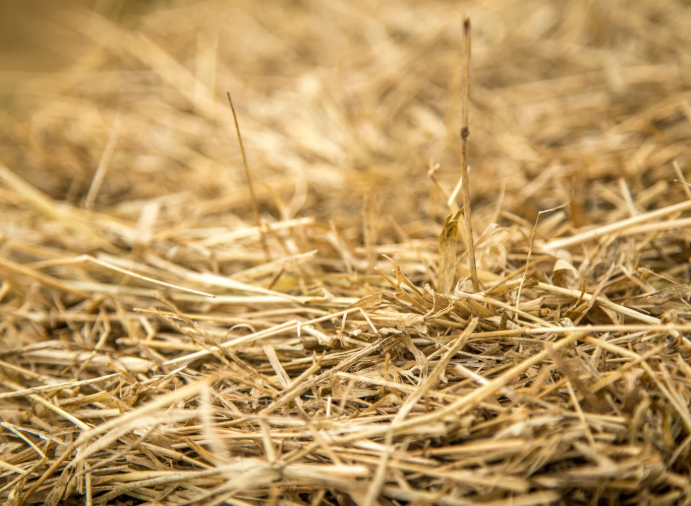
Usually avoid.
Why:
Hay contains:
- Grass seed
- Weed seed
- Volunteer crop seed
Result: A weed explosion.
Straw = stems
Hay = feed material with seed
Big difference.
Thick Layers of Grass Clippings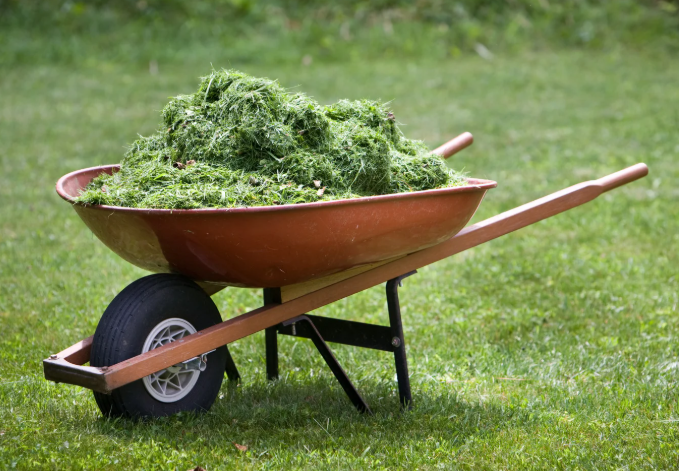
Use cautiously.
Problems:
- Mats tightly
- Blocks airflow
- Can smell anaerobic
- May contain herbicide residue
If using: Apply only thin, dry layers.
Rubber Mulch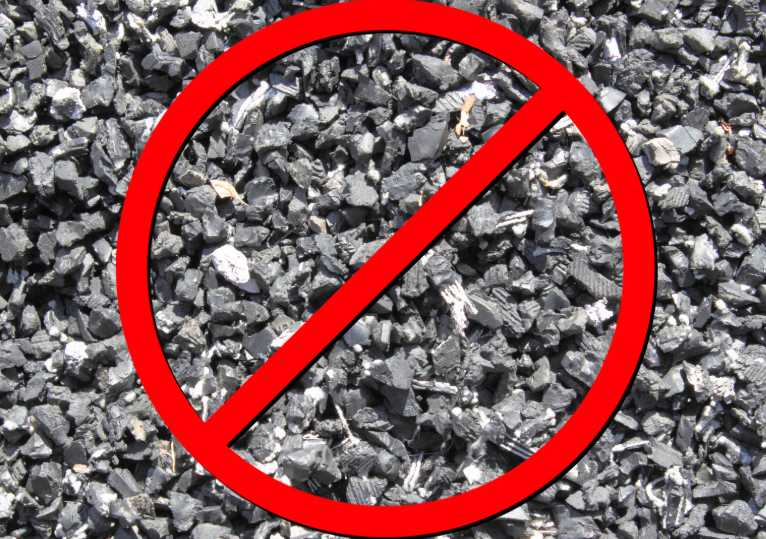
Never in edible gardens.
No benefit to soil.
Potential contamination concerns.
Plastic Mulch (Home Garden Context)
Useful in some commercial settings, but often not ideal for typical home gardens.
Issues:
- Water management challenges
- Heat extremes
- Waste disposal
Final Recommendation
If you want the safest, most effective all-around vegetable garden mulch:
Best overall: Clean weed-free straw
If budget matters:
Best free option: Shredded leaves
If soil improvement is your main goal:
Best soil-building option: Compost
And remember: The right mulch works with your soil—not against it. Healthy vegetables start with healthy soil.