Thin Grass? Fall Is Your Lawn’s Opportunity to Make a Comeback
After a long Chicagoland summer, many lawns are showing the same familiar signs: thin grass, worn-out areas, bare patches, and turf that just doesn’t look as full as it did in spring.
The good news? Fall is one of the best times of year to improve a cool-season lawn.
As summer heat begins to fade, soil temperatures remain favorable for seed germination, while cooler air and more consistent moisture help new grass establish. That makes fall lawn overseeding an excellent way to thicken existing turf, improve its appearance, and give your lawn a stronger start heading into the following growing season.
But successful overseeding involves more than scattering grass seed and hoping for rain. The seed needs good soil contact, adequate moisture, and the right conditions to establish.
In this guide, we’ll walk through how to overseed a lawn in Chicagoland, when to do it, how to prepare the soil, and how the right soil mix can help improve your results.
Why Fall Is the Best Time to Overseed a Chicagoland Lawn
Chicagoland lawns are commonly made up of cool-season grasses such as Kentucky bluegrass, perennial ryegrass, and fine fescues. These grasses generally perform best when temperatures are moderate rather than during the hottest part of summer.
Fall offers several advantages:

Favorable soil temperatures
Soil can remain warm enough for seed germination while air temperatures become more comfortable for young grass.
Less summer stress
Cooler conditions reduce the heat stress that can make summer grass establishment difficult.

Better establishment opportunity
New seedlings have time to develop roots before winter dormancy.
A thicker lawn next season
Filling thin areas now can help create a more uniform lawn when spring arrives.
The key takeaway: Fall overseeding is not simply about making grass look greener today. It’s about giving new grass the conditions it needs to become established before winter.
When Should You Overseed Your Lawn in Chicagoland?
For homeowners in the Greater Chicagoland area, late August through September is generally a prime window for lawn overseeding, with early October sometimes still workable depending on weather, grass variety, and establishment conditions.
The ideal timing depends on more than the calendar. You want enough time for new grass to germinate and develop before consistently cold weather arrives.
Look for these conditions:
-
Soil temperatures: Generally favorable for cool-season grass germination, often around 50–65°F, depending on the grass species.
-
Daytime temperatures: Cooler than summer, without prolonged extreme heat.
-
Moisture: Enough natural rainfall or irrigation to keep the seedbed consistently moist.
-
Time before winter: Sufficient time for seedlings to establish roots.
Chicagoland tip: Don’t wait for the first frost to start thinking about overseeding. Fall weather can change quickly, and getting the project started while conditions are favorable gives new grass more time to establish.
How to Overseed Your Lawn: Step-by-Step

-
Mow and prepare the existing lawn
Start with a clean, manageable lawn surface. Mow at an appropriate height for your grass type, and remove excessive leaves, clippings, and debris.
If the lawn has heavy thatch buildup, address it before seeding. A thick layer of thatch can prevent seed from reaching the soil.

-
Address soil compaction
Compacted soil can limit air movement, water infiltration, and root development. If your lawn receives heavy foot traffic or has hard, dense soil, core aeration may help create pathways for air, water, and roots.
Aeration is especially useful when compaction is one of the reasons the lawn is thin.

-
Improve the seedbed
Grass seed needs contact with soil to germinate successfully. Thin areas may benefit from a light application of a quality lawn soil mix to help provide a more favorable seedbed.
This is where a properly prepared Over-seeder Mix can be valuable. A suitable mix helps fill minor surface irregularities, supports seed-to-soil contact, and provides a consistent medium for new grass to establish.

-
Apply the right grass seed
Choose a seed blend appropriate for your lawn’s conditions, including sunlight, shade, traffic, and grass type.
Apply the seed according to the product’s recommended rate. Too little seed may leave gaps, while excessive seed can create competition among seedlings.

-
Keep the seedbed consistently moist
Moisture is one of the most important factors in successful overseeding.
The soil surface should remain consistently moist during germination. That may mean light, frequent watering rather than occasional heavy watering, depending on weather and soil conditions.
Avoid allowing the seedbed to dry out completely. At the same time, avoid creating puddles or washing seed away with excessive irrigation.

-
Give new grass time to establish
Germination and establishment take time. Avoid heavy traffic on newly seeded areas, continue mowing carefully once the grass is ready, and maintain appropriate moisture as the seedlings develop.
The goal is not just to see green sprouts—it’s to help those sprouts become healthy, rooted turf.
The Soil Moisture Secret to Successful Overseeding
One of the most common reasons overseeding projects struggle is inconsistent moisture during germination.
Grass seed needs water to begin the germination process. If the seedbed becomes dry shortly after watering, newly emerging seedlings can be damaged or fail to establish.
A few practical moisture tips:
-
Check the soil surface regularly. Newly seeded areas may need more frequent attention than established turf.
-
Water lightly and consistently. The goal is to keep the seedbed moist without creating runoff or standing water.
-
Adjust for weather. Wind, sun, rainfall, and temperature all affect how quickly soil dries.
-
Don’t rely entirely on the forecast. A forecasted rain doesn’t always mean your seedbed will receive enough moisture.
-
Use a quality soil mix where appropriate. A well-prepared seedbed can help create more uniform conditions for seed contact and moisture management.
Remember: Even the best grass seed cannot overcome a seedbed that repeatedly dries out during germination.
Should You Aerate Before Overseeding?
Often, yes—if soil compaction is part of the problem.
Core aeration removes small plugs of soil from the lawn, helping relieve compaction and improve the movement of air, water, and nutrients into the root zone.
Aeration can be particularly useful when:
-
The lawn receives heavy foot or equipment traffic.
-
Water tends to run off rather than soak in.
-
The soil is hard or compacted.
-
Grass growth is weak despite adequate care.
-
You are combining overseeding with a broader lawn renovation.
After aeration, grass seed can take advantage of improved contact with exposed soil.
However, aeration is not automatically necessary for every lawn. If compaction is not an issue, proper mowing, seed selection, seed-to-soil contact, and moisture may be the more important priorities.
What Soil Mix Should You Use for Lawn Overseeding?
When overseeding, the goal is to create a favorable environment where grass seed can make contact with soil and begin establishing roots.
A lawn-specific soil mix should be:
-
Finely prepared so it spreads evenly.
-
Free of large debris that interferes with seed contact.
-
Appropriate for the intended lawn application.
-
Easy to distribute in a thin, uniform layer.
Why Over-seeder Mix can help
At Tim Wallace Soil Mix Supply, our Over-seeder Mix is designed for lawn overseeding applications where a quality soil medium is needed to support the process.
A properly applied lawn soil mix can help:
-
Improve seed-to-soil contact.
-
Fill minor surface imperfections.
-
Provide a consistent growing medium in thin areas.
-
Support a more uniform appearance after overseeding.

Important: Soil mix is not a substitute for proper seed selection, preparation, watering, or appropriate application rates. It is one part of a successful overseeding process.
Fall Overseeding vs. Lawn Repair: Which Does Your Yard Need?
Not every thin lawn has the same problem. The right approach depends on how much turf is missing.

Overseeding
Best suited for: Thin or sparse areas where existing grass is still present.
Overseeding introduces new grass seed into an existing lawn to help increase density and improve coverage.

Lawn repair
Best suited for: Clearly bare or damaged areas with little or no existing grass.
Bare spots may need additional soil preparation and a targeted lawn repair application before seed is introduced.
A simple way to think about it
-
Thin lawn? Consider overseeding.
-
Small bare spots? Consider lawn repair.
-
Large, severely damaged areas? A more extensive lawn renovation may be necessary.
Our Lawn Repair Mix, made with topsoil, fine sand, and Purple Cow Compost, is intended for lawn repair applications where improving the soil in a damaged area is part of the project.
7 Common Fall Overseeding Mistakes to Avoid
1. Waiting too long
Starting too late can leave new grass with insufficient time to establish before winter.
2. Seeding without preparing the surface
Seed scattered over dense thatch, debris, or compacted soil may struggle to make contact with the soil.
3. Using the wrong seed for the location
Sun, shade, traffic, and grass type all matter. A seed blend that works in full sun may not perform the same way in dense shade.
4. Letting the seedbed dry out
Inconsistent moisture during germination is a common cause of poor establishment.
5. Applying too much soil
Overseeding typically calls for a light, appropriate soil application—not burying the existing lawn under a deep layer of material.
6. Overwatering
Excessive watering can cause runoff, puddling, and seed movement. Aim for consistent moisture rather than saturated soil.
7. Expecting instant results
New grass needs time to germinate, root, and establish. A successful lawn renovation is a process, not an overnight transformation.
What Should You Do After Overseeding?
Once your seed is down, the project isn’t finished. The next several weeks matter.
Your post-overseeding checklist
As fall progresses, your goal is to help the new turf develop a healthy root system before winter dormancy.
Prepare Your Lawn for a Stronger Spring
Fall lawn overseeding is one of the most worthwhile projects a Chicagoland homeowner can tackle before winter. Whether your lawn is thin from summer stress, worn down by foot traffic, or simply in need of a refresh, the right preparation can make a meaningful difference.
Start with the basics:
-
Choose the right time.
-
Prepare the lawn surface.
-
Address compaction when needed.
-
Use quality seed.
-
Improve seed-to-soil contact.
-
Keep the seedbed consistently moist.
-
Give the grass time to establish.
And remember: the quality of the soil beneath your grass matters just as much as what you spread on top of it.
Need Soil Mix for Your Fall Lawn Project?
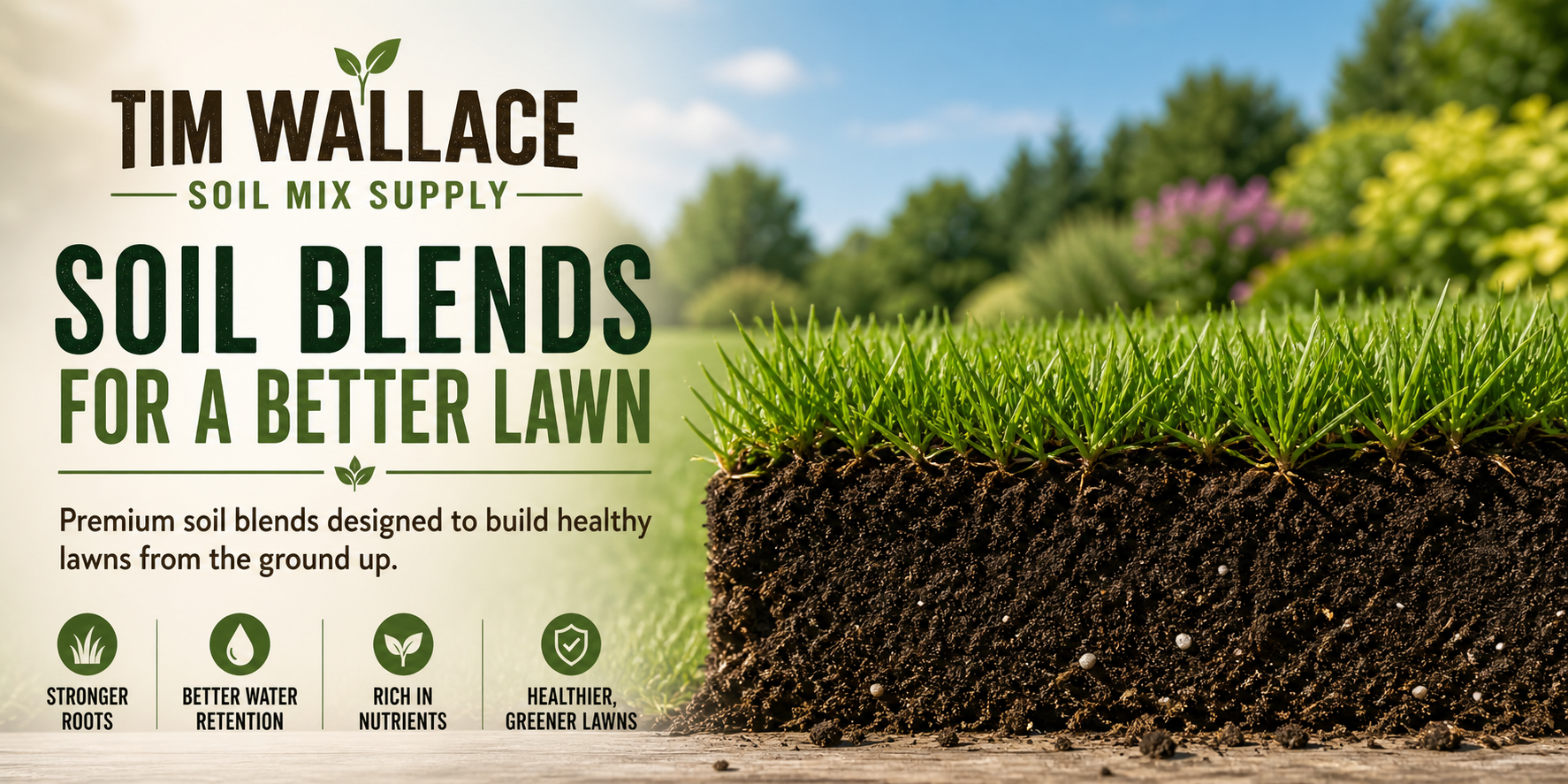
At Tim Wallace Soil Mix Supply, we help homeowners and landscapers find quality soil products for lawn repair, overseeding, topdressing, and other landscape projects throughout the Greater Chicagoland area.
Whether you’re repairing a few bare spots or working on a larger lawn renovation, our team can help you select a soil mix suited to your project.
Explore our lawn soil products:
-
Over-seeder Mix — For lawn overseeding applications.
-
Lawn Repair Mix — For repairing bare or damaged lawn areas.
-
Topdressing Mix — For thin applications designed to improve lawn surfaces and support ongoing lawn care.
Ready to improve your lawn this fall? Contact Tim Wallace Soil Mix Supply or visit our product pages to learn more about the right soil mix for your project.
 |