If your lawn looks a little tired after another long Midwest summer, don’t give up on it just yet.
Fall is one of the best opportunities of the year to improve your lawn.
Cooler air temperatures, warm soil, fewer weeds and more consistent moisture create excellent conditions for cool-season grass to establish and grow. But there’s one important catch: you have to plan ahead.
At Tim Wallace Soil Mix Supply, we believe a successful fall lawn renovation starts with answering four simple questions:
What? Why? When? Where? And How?
Once you know those answers, the How becomes much easier.
And for most homeowners, the biggest fall lawn improvements fall into three categories:
- Lawn Leveling
- Lawn Overseeding
- Lawn Repair
Let’s take a closer look at each one.
Why Fall Is the Perfect Time to Renovate Your Lawn
By late summer, your lawn has been through a lot.
Heat, drought, foot traffic, disease pressure, mowing and the general wear and tear of summer can leave turf thin, uneven and damaged.
That’s why fall can be the perfect time to step in and make improvements.
But don’t wait until fall arrives to start thinking about the project.
Late summer is the time to decide what needs to be done, determine what materials you’ll need and set aside the time to actually do the work. Don’t wait until the last minute to figure out the what, why, when, where and how.
And remember: You don’t necessarily have to renovate your entire lawn at once.
Eat the elephant one bite at a time.
If the backyard looks great but the front yard needs work, start there. If only one section has problems, focus on that area first.
A manageable project is much more likely to get finished than an overwhelming one.
Project #1: Lawn Leveling
Is your lawn bumpy when you mow?
Does your mower scalp the tops of high spots?
Do you have depressions where water collects?
If so, lawn leveling should be near the top of your fall project list.
An uneven lawn isn’t simply a cosmetic problem. Bumpy turf can make mowing more difficult, contribute to poor mowing results and create drainage problems. It can even become a safety issue when walking across the lawn.
The Solution: Topdressing
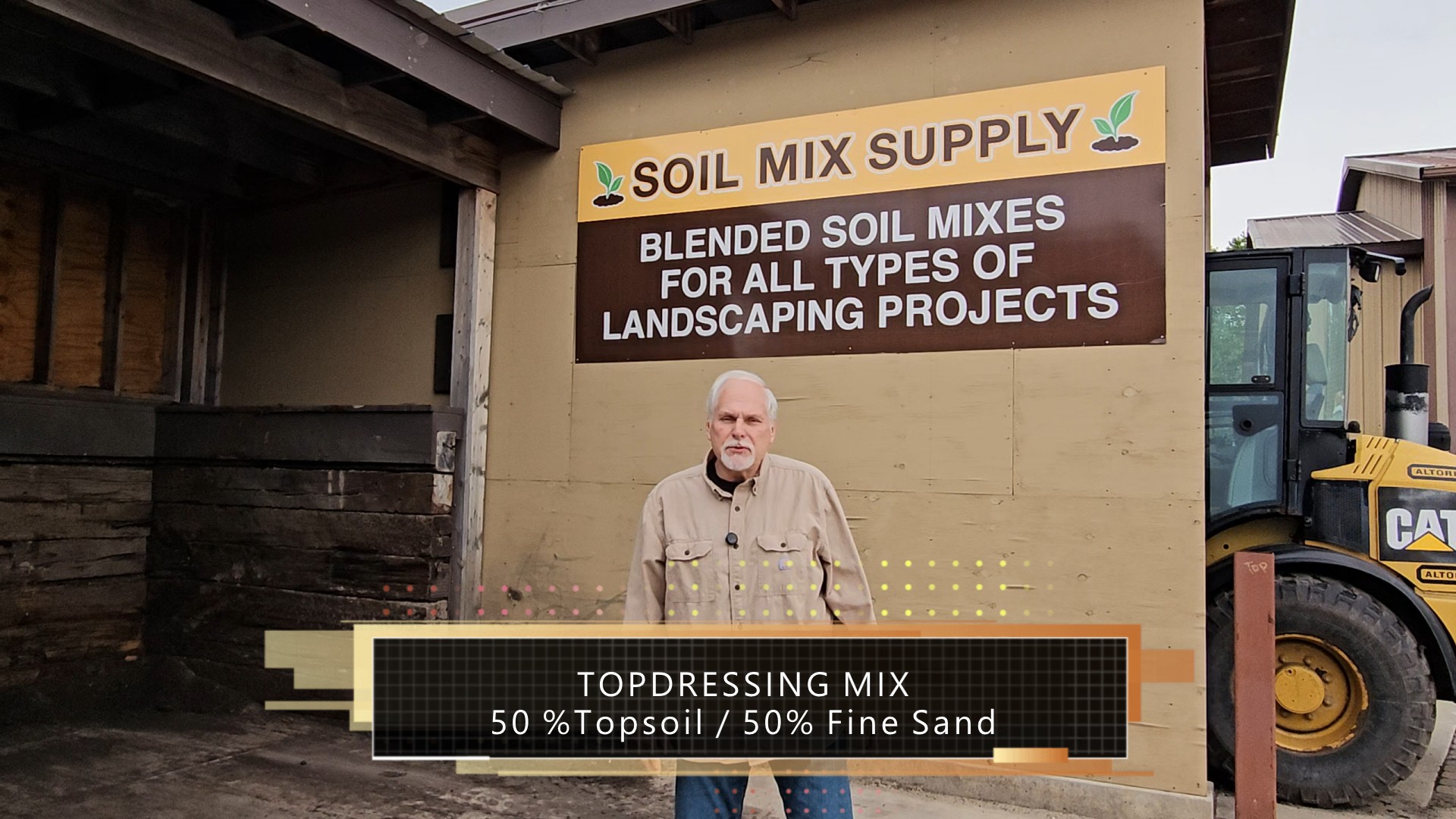
At Tim Wallace Soil Mix Supply, our lawn leveling should be near the top of your fall project list.
Our blend is: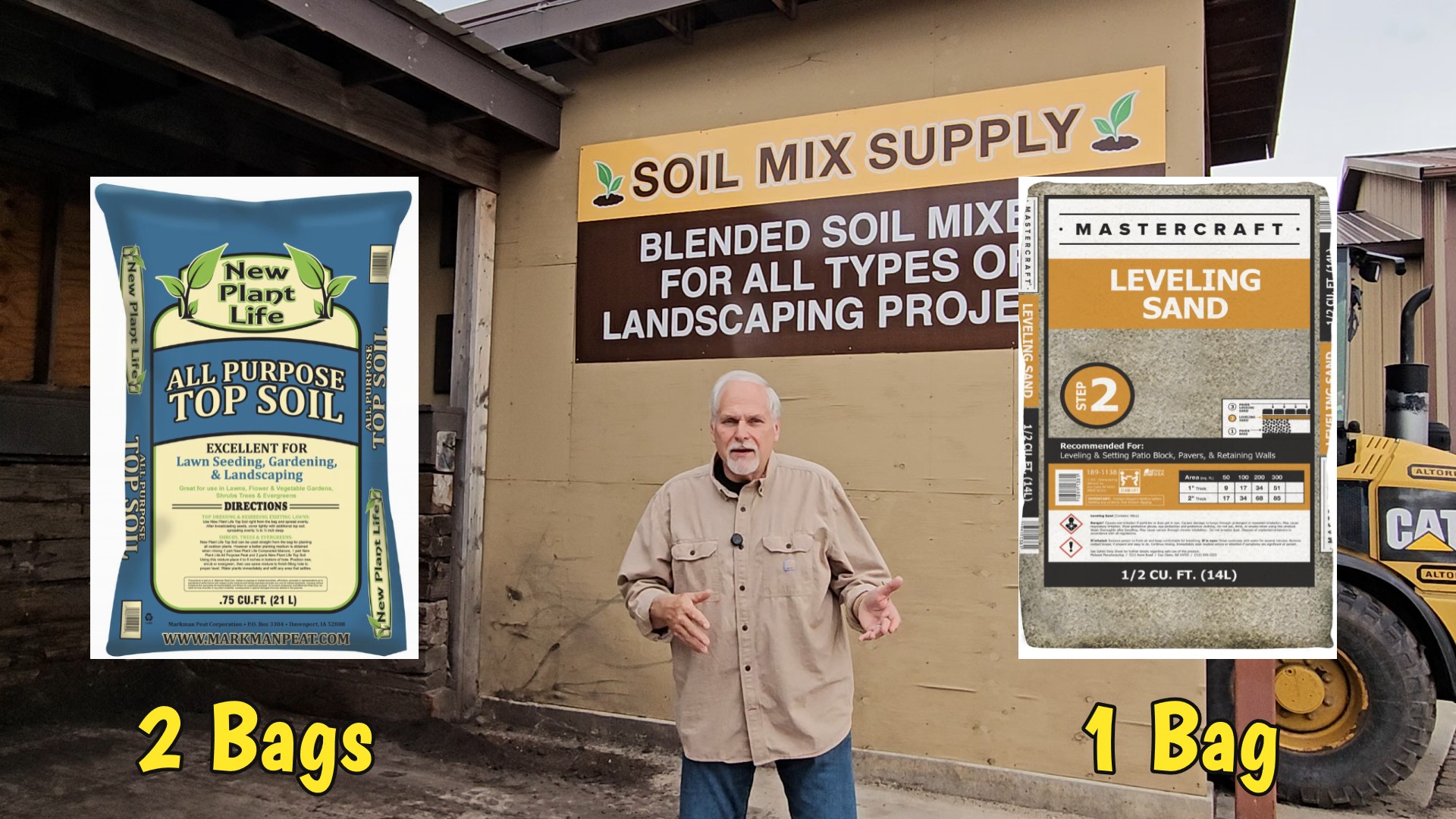
50% topsoil + 50% fine sand
It’s finely screened so it can be spread across the lawn and worked down into the turf canopy.
If you don’t have access Tim’s Topdressing Mix, you can create a similar blend using this recipe: (these products are available at Menard’s)
- 2 bags of topsoil
- 1 bag of Fine / Leveling sand
How to Level a Lawn
For relatively minor depressions—generally 2 inches or less—a topdressing mixture of topsoil and fine sand is a popular approach.
For larger areas: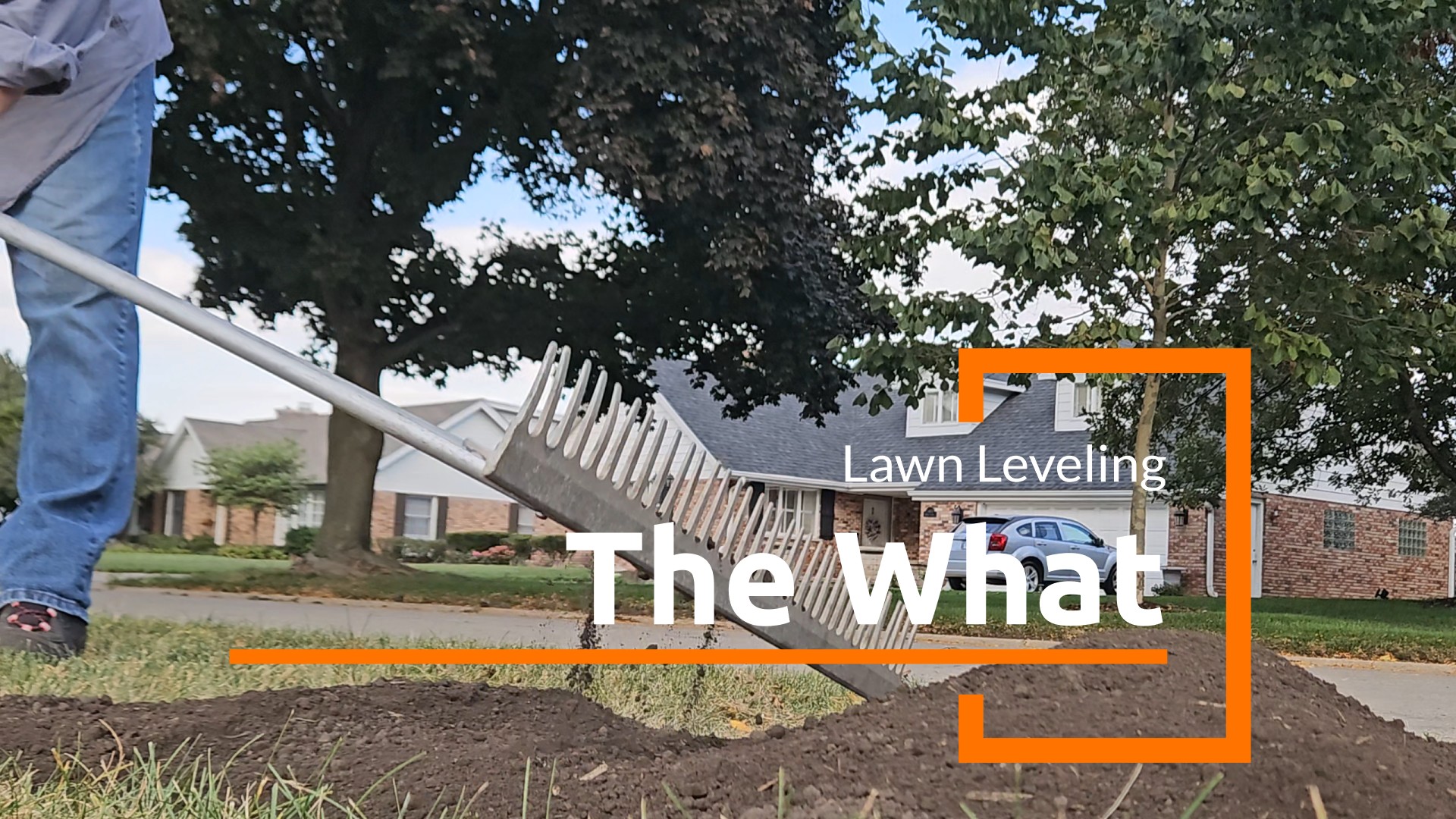
- Spread or mound the material strategically.
- Use a leveling rake, landscape rake or wide push broom.
- Work the material evenly across the lawn.
- Fill individual ruts and low spots directly.
- Avoid burying the existing grass.
The goal isn’t to cover the lawn with several inches of soil.
The goal is to gradually fill the depressions while allowing your existing grass to continue receiving sunlight.
What If the Low Spots Are Really Low?
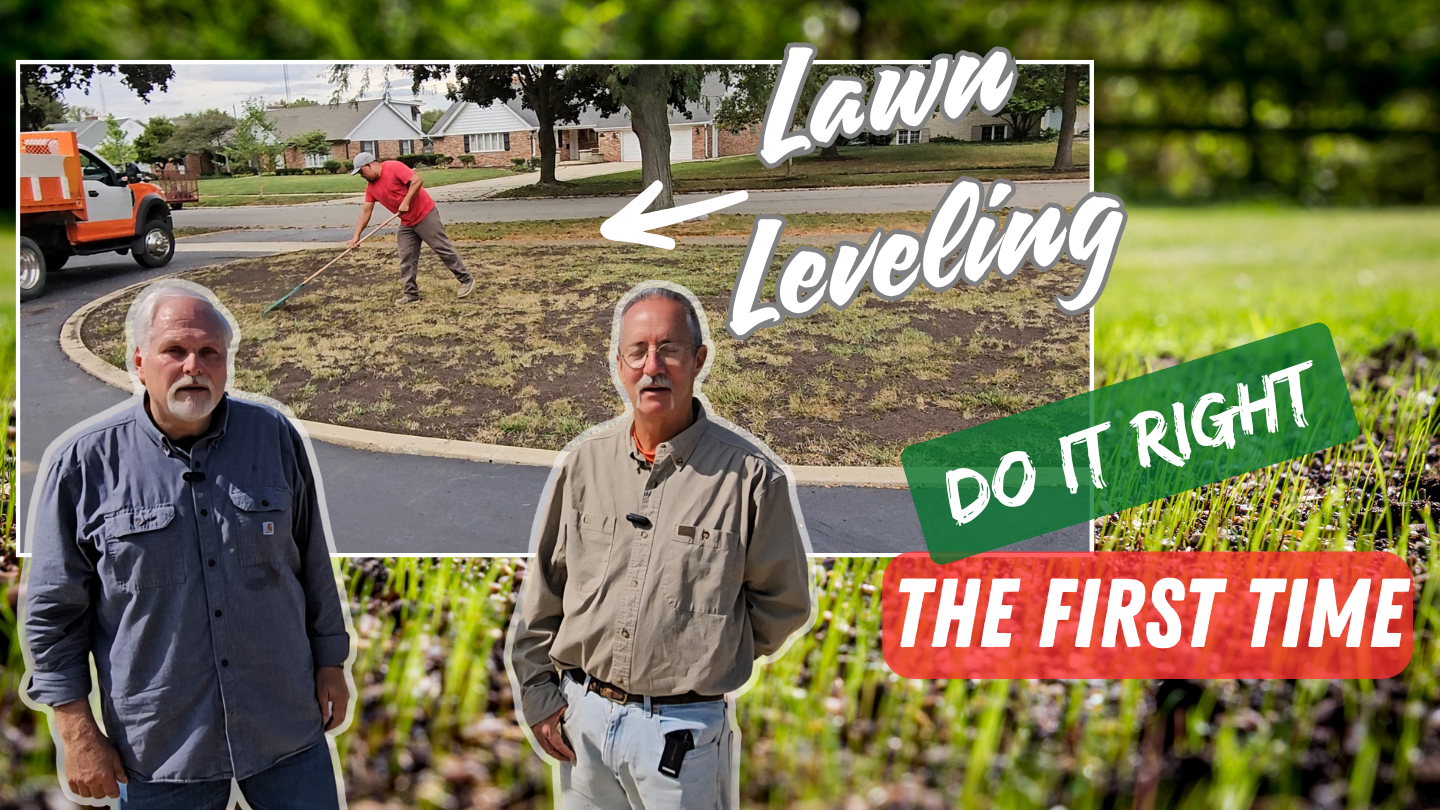
If you’re dealing with major grade problems or areas that are 2 inches or more out of level, a simple topdressing application may not be enough.
That’s a different project—and one that may require correcting the underlying grade before finishing the lawn with topdressing.
If you’re dealing with leveling issues of 2” or greater, check out this video from us here at The Soil Channel (Your Lawn Isn’t Bumpy Because of Bad Grass—It’s This) that addresses both correcting bigtime grade issues and overall lawn leveling. Do it right – the First Time!
Best Time for Lawn Leveling
 For most cool-season grasses, the script identifies the ideal lawn-leveling window as approximately:
Late August through early October.
Project #2: Lawn Overseeding
Once you’ve got the lawn level, it’s time to think about density.
If your grass has become thin and tired over the years, overseeding is one of the best ways to introduce new grass without completely starting over.
Why Does a Lawn Get Thin?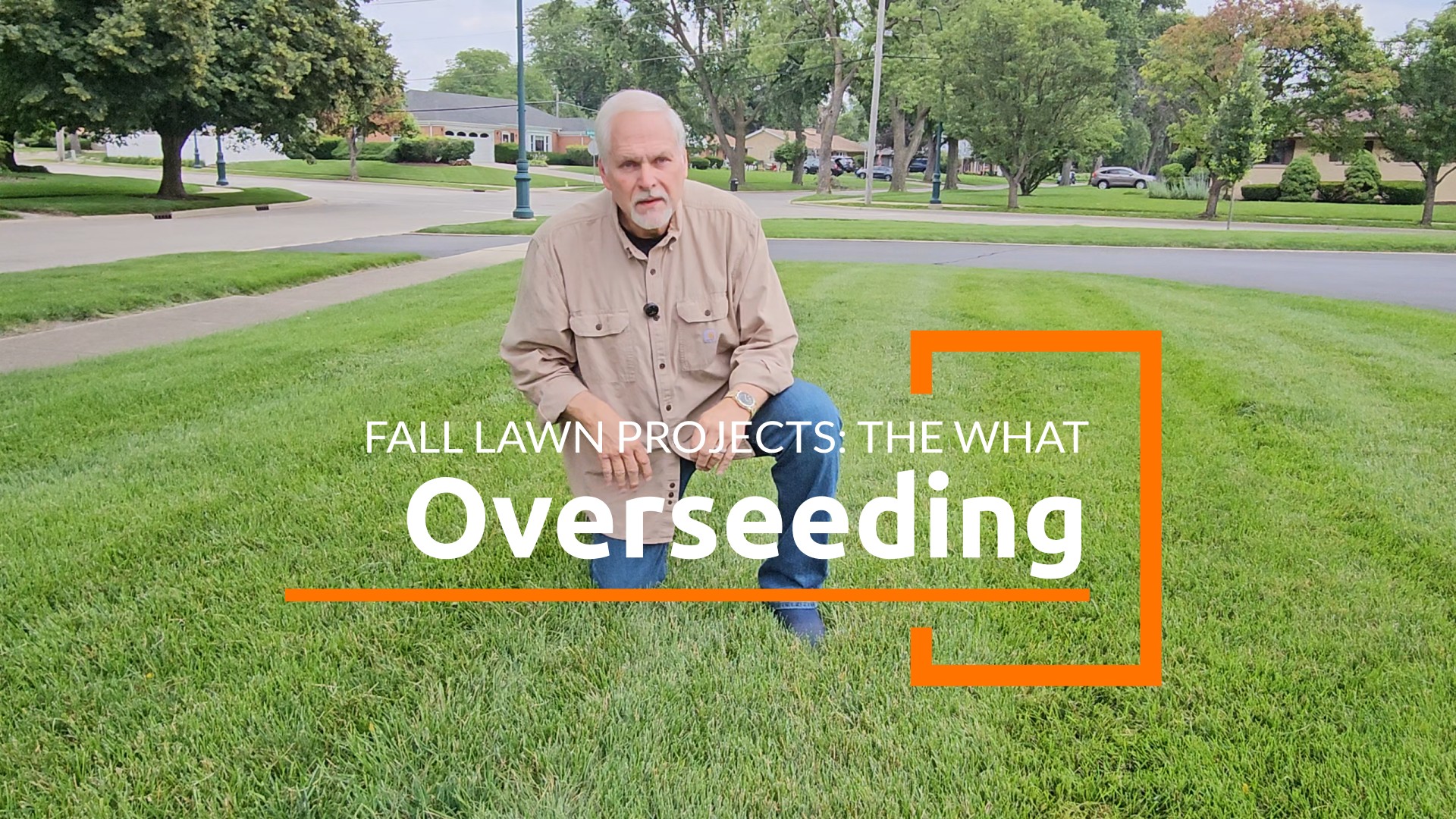
![Increase turf density by overseeding.]()
Grass doesn’t stay perfect forever.
Heat stress, foot traffic, disease pressure and aging grass plants can gradually reduce turf density.
The result?
More soil showing through.
More opportunities for weeds.
And a lawn that simply doesn’t have that thick, green appearance you want.
The Tim Wallace Overseeder Mix
For overseeding projects, Tim Wallace Soil Mix Supply offers Overseeder Mix, a blend of:
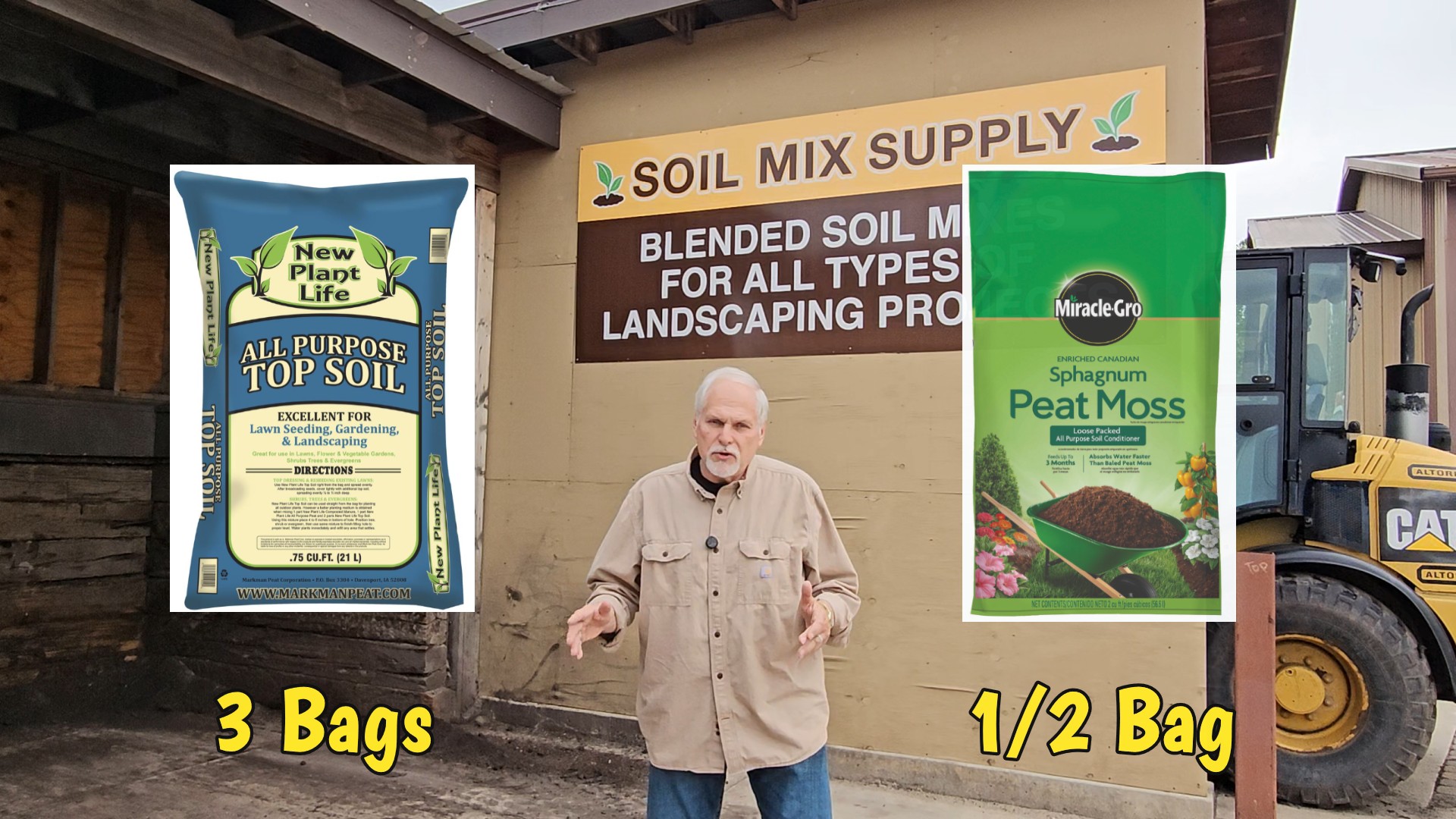 75% topsoil + 25% peat
The blend is designed to provide good seed-to-soil contact while helping maintain moisture around newly planted grass seed. The secret to the Overseeder Mix is the Peat. Peat’s not only helps the soil retain moisture for less frequent watering but also plays a critical role in helping move soil toward a more favorable pH range for germination.
If you’re outside our delivery area, you can achieve similar results using:
- 3 bags topsoil
- ½ bag Peat
CAUTION: Don’t overdo the peat! Too much can kill your lawn!
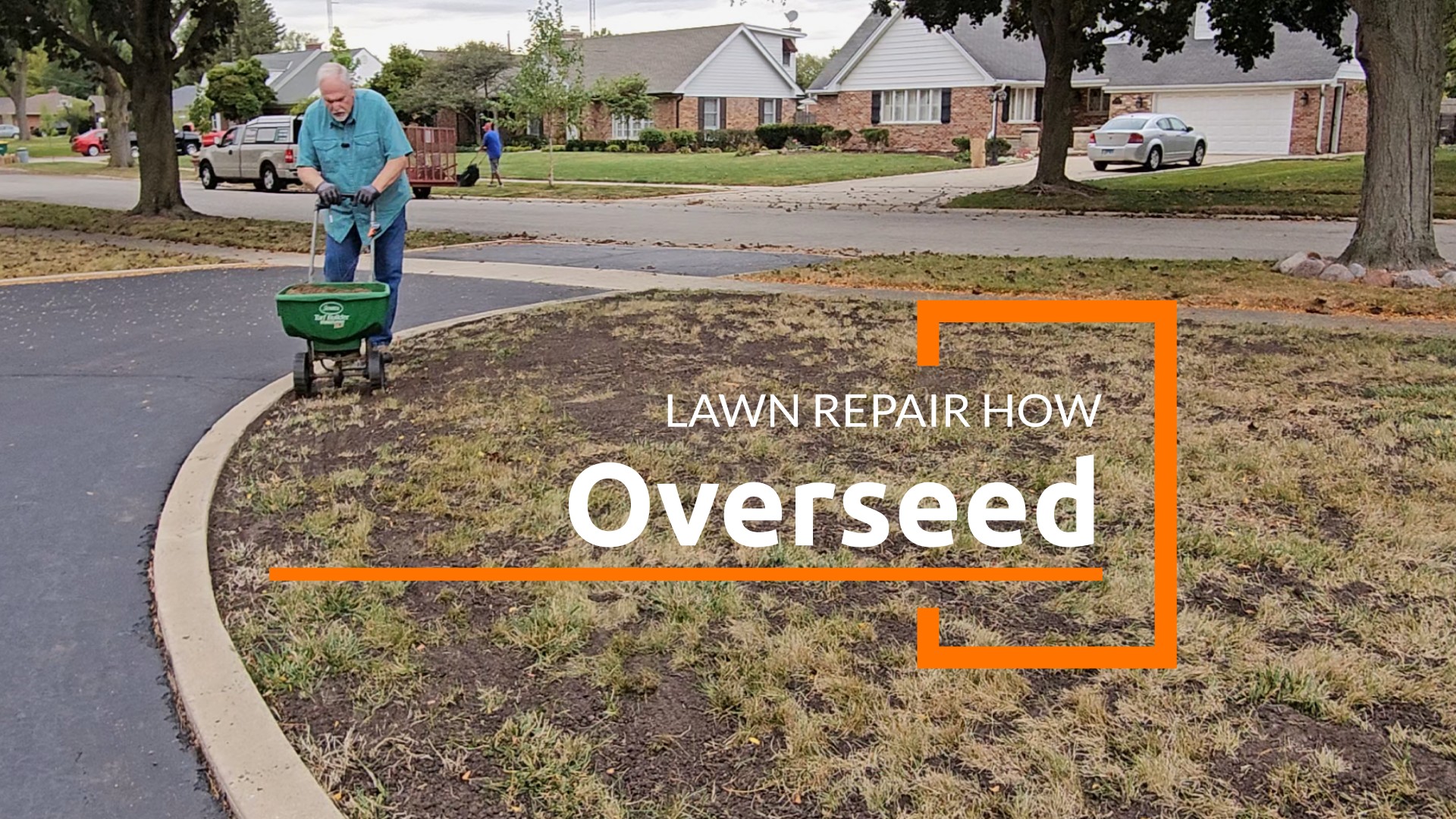
How to Overseed Your Lawn
A successful overseeding project doesn’t have to be complicated.
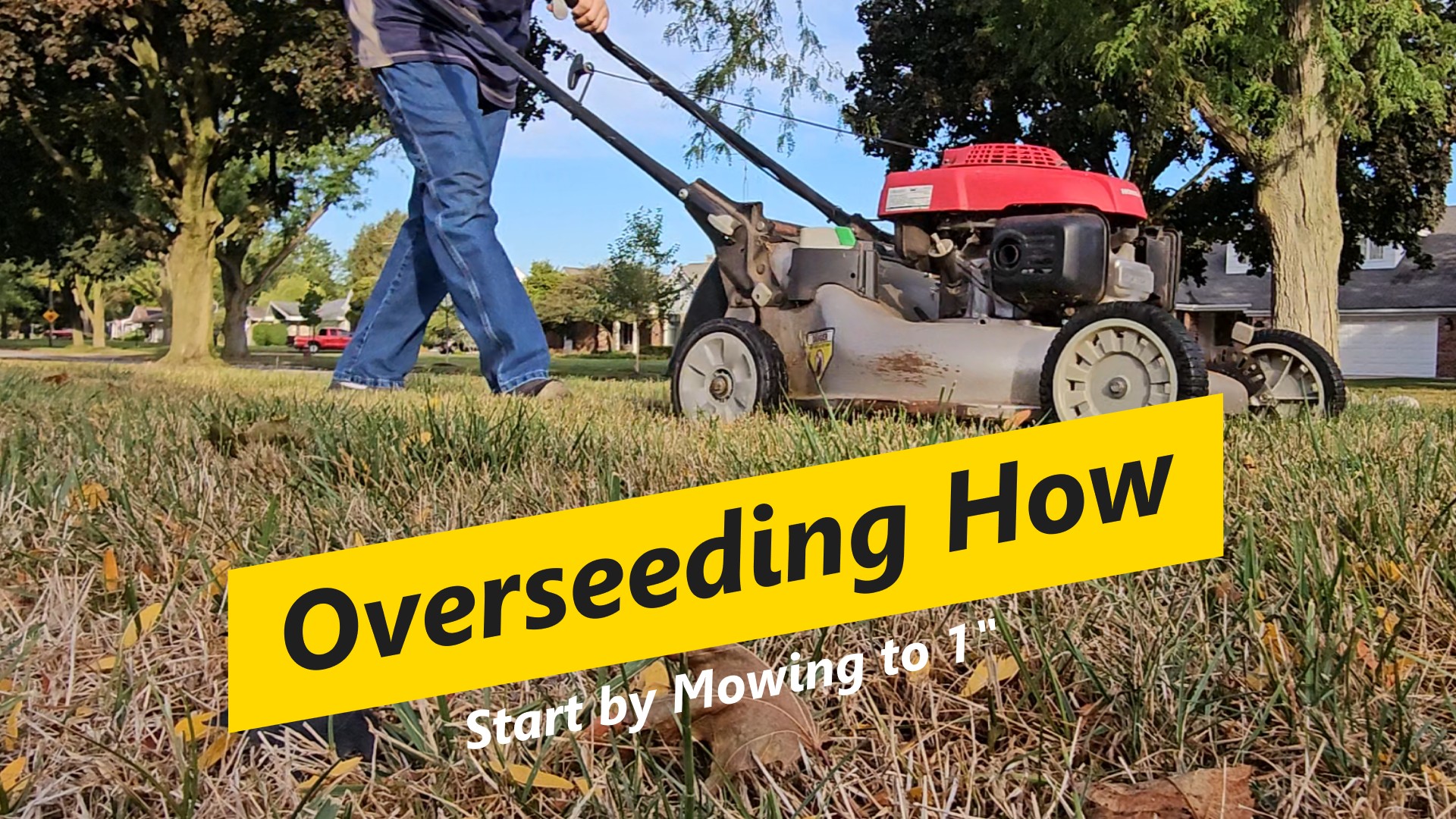
![Mow the lawn short.]() Step 1: Mow Slightly Shorter
Step 1: Mow Slightly Shorter
Start by mowing the existing lawn slightly shorter than normal.
Step 2: Core Aerate if Possible
Core aeration can help create openings for seed and improve contact between the seed and soil.
Step 3: Apply Grass Seed
Choose grass seed appropriate for your region and the amount of sunlight your lawn receives.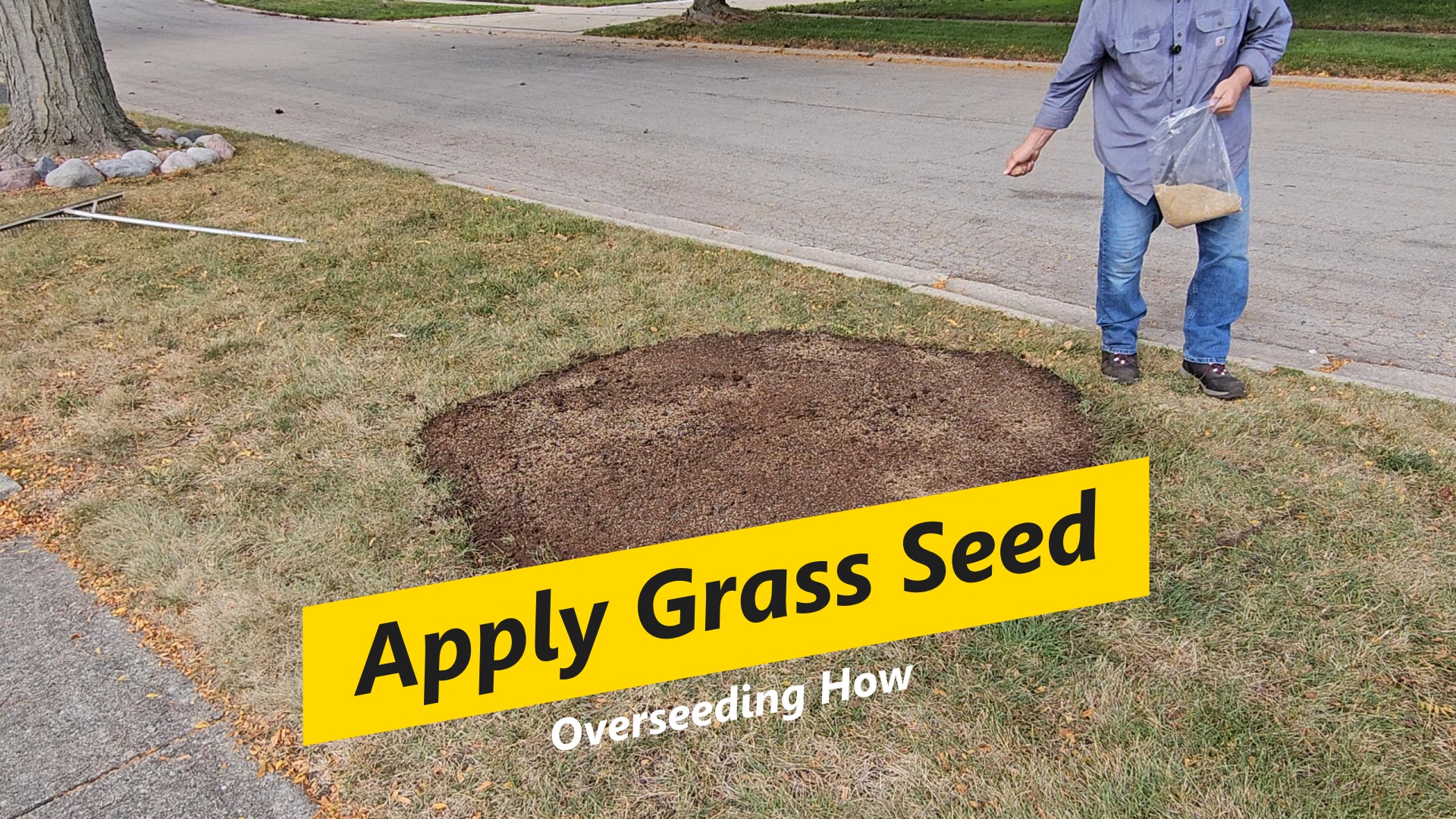
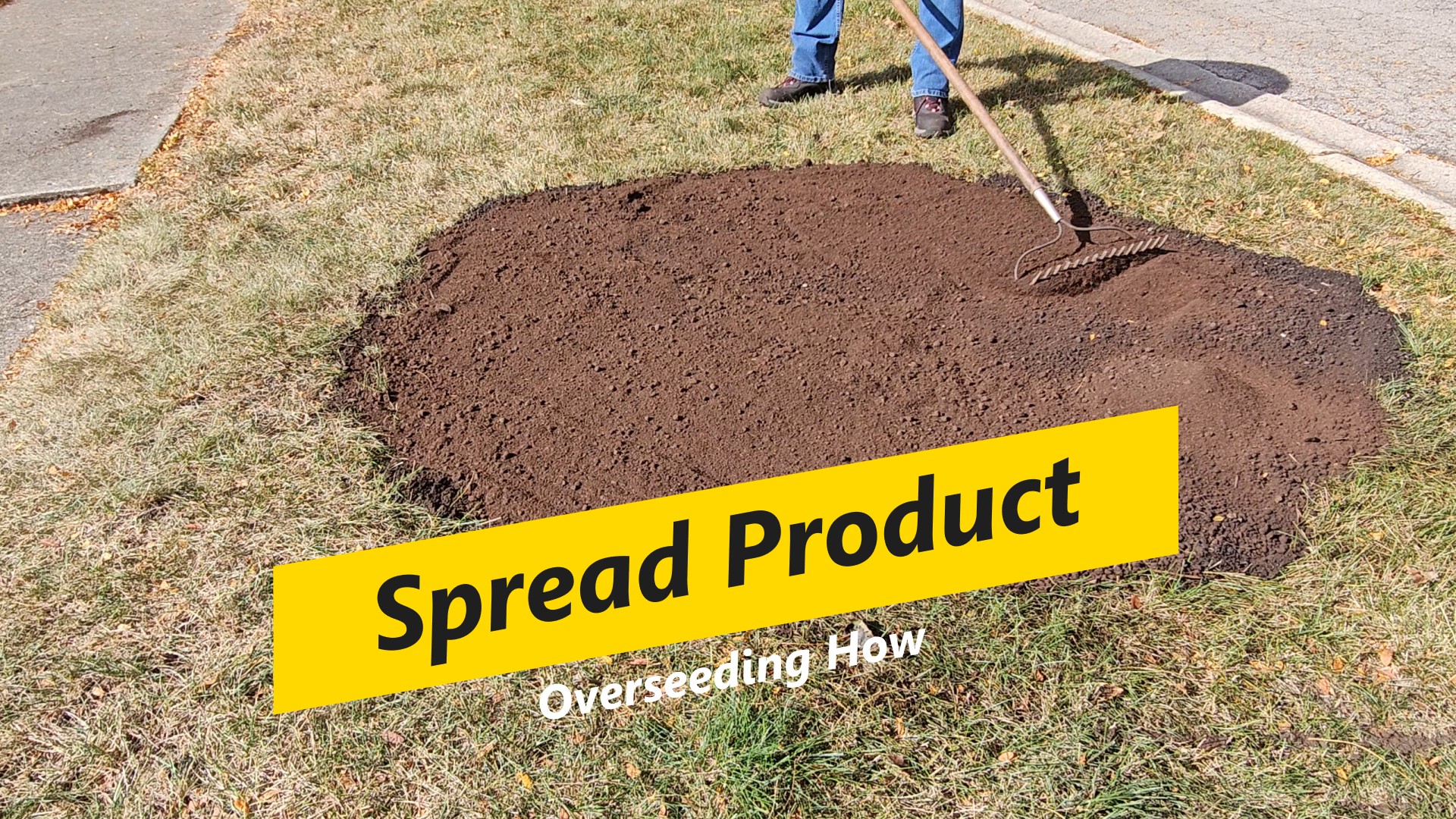
Step 4: Apply a Thin Layer of Overseeder Mix
Apply a thin layer of the soil blend over the seed.
The goal is to improve seed-to-soil contact—not bury the seed under a mountain of material.
Step 5: Keep It Consistently Moist
And this may be the most important step of all.
Don’t let the seedbed dry out.
Grass seed doesn’t need to be flooded with water. It needs consistent moisture while it is germinating and becoming established.
That is one reason moisture-holding materials such as peat can be useful in an overseeding mix.
When Should You Overseed?
 For cool-season lawns in Zones 4 through 6, the script identifies the prime overseeding window as:
Late August through mid-September
Depending on weather conditions, successful overseeding may extend into early October.
The key is taking advantage of the period when the soil remains warm enough for seed germination while cooler air temperatures reduce some of the stresses associated with summer.
Project #3: Lawn Repair
Now for the quickest and most targeted of the three projects:
Lawn repair.
If you don’t need to renovate the entire lawn but have a few ugly areas that need attention, lawn repair may be exactly what you’re looking for.
Think:
- Bare spots

![Fall Lawn Project - Lawn Repair]()
- Pet damage
- Dead grass
- Thin patches
- Damaged areas
- Small low spots
Fall is an excellent time to tackle these problem areas.
The Tim Wallace Lawn Repair Mix
Our Lawn Repair Mix combines:
50%Screened topsoil + 25% fine sand + 25% Purple Cow Organic Compost
The result is a growing medium designed to give new grass seed a favorable environment for establishment while replenishing depleted soil nutrients.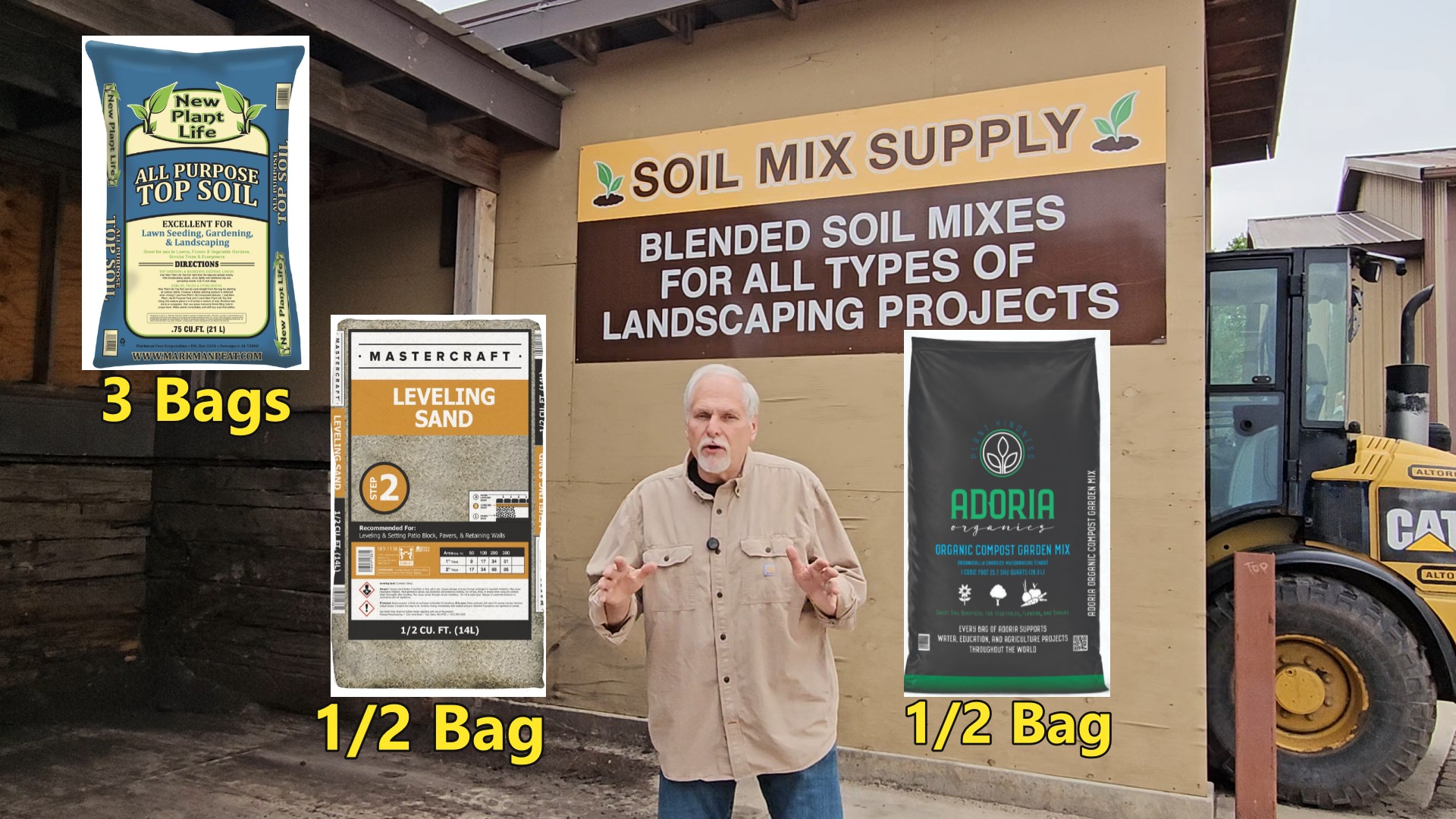
For those outside of our delivery area, you can create your own version of Lawn Repair Mix using: (Menard’s)
- 4 bags topsoil
- 1 bag Fine / leveling sand
- 1 bag Organic Compost (like Adoria Compost)
One Important Compost Warning
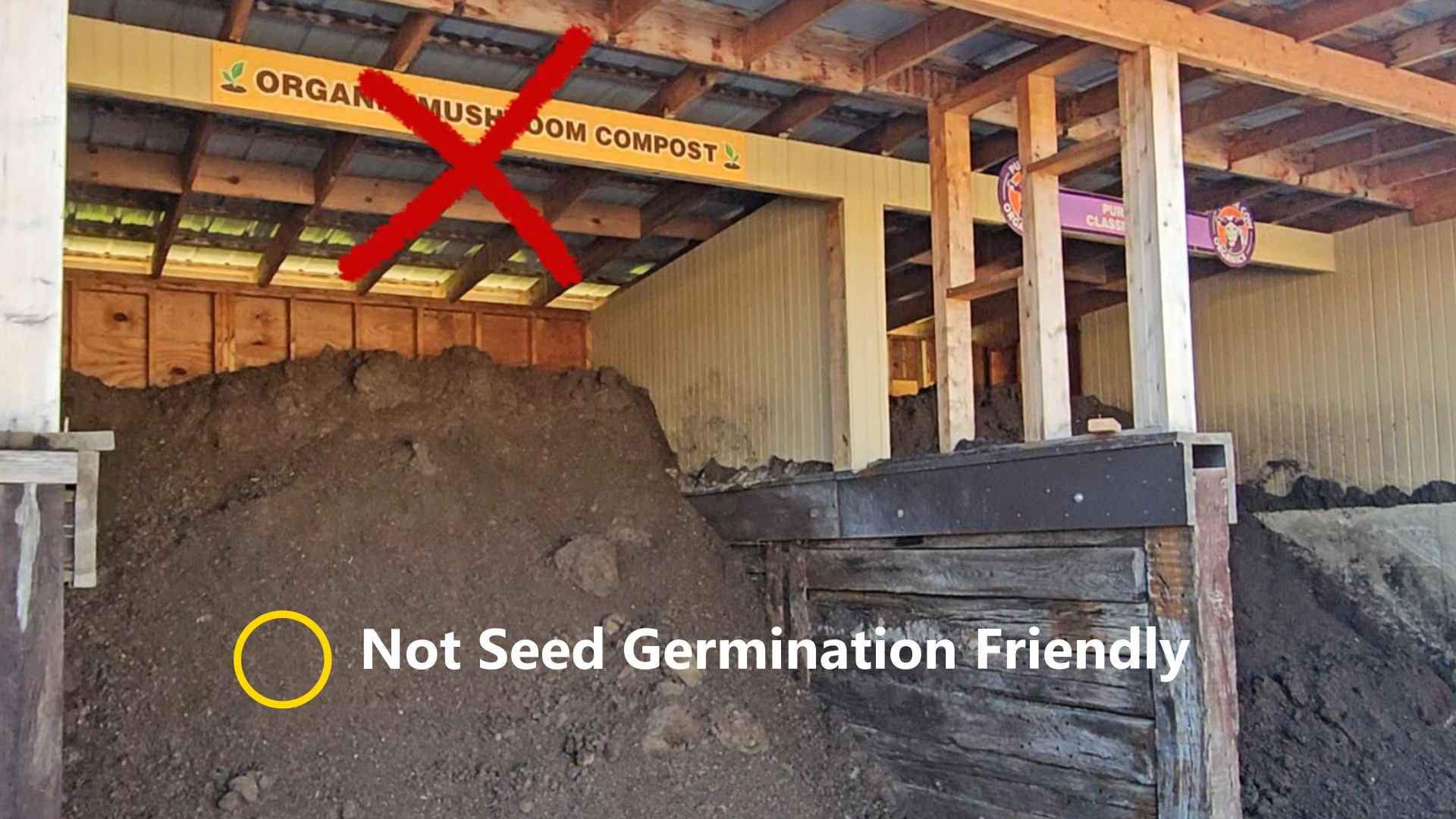 If you’re going to seed immediately after repairing the lawn, pay attention to the type of compost you use.
Avoid using Mushroom Compost for seed-germination projects because of its higher salt content. The safer bet is always an organic compost.
How to for Lawn Repair
Here’s the basic process:
1. Remove Dead Grass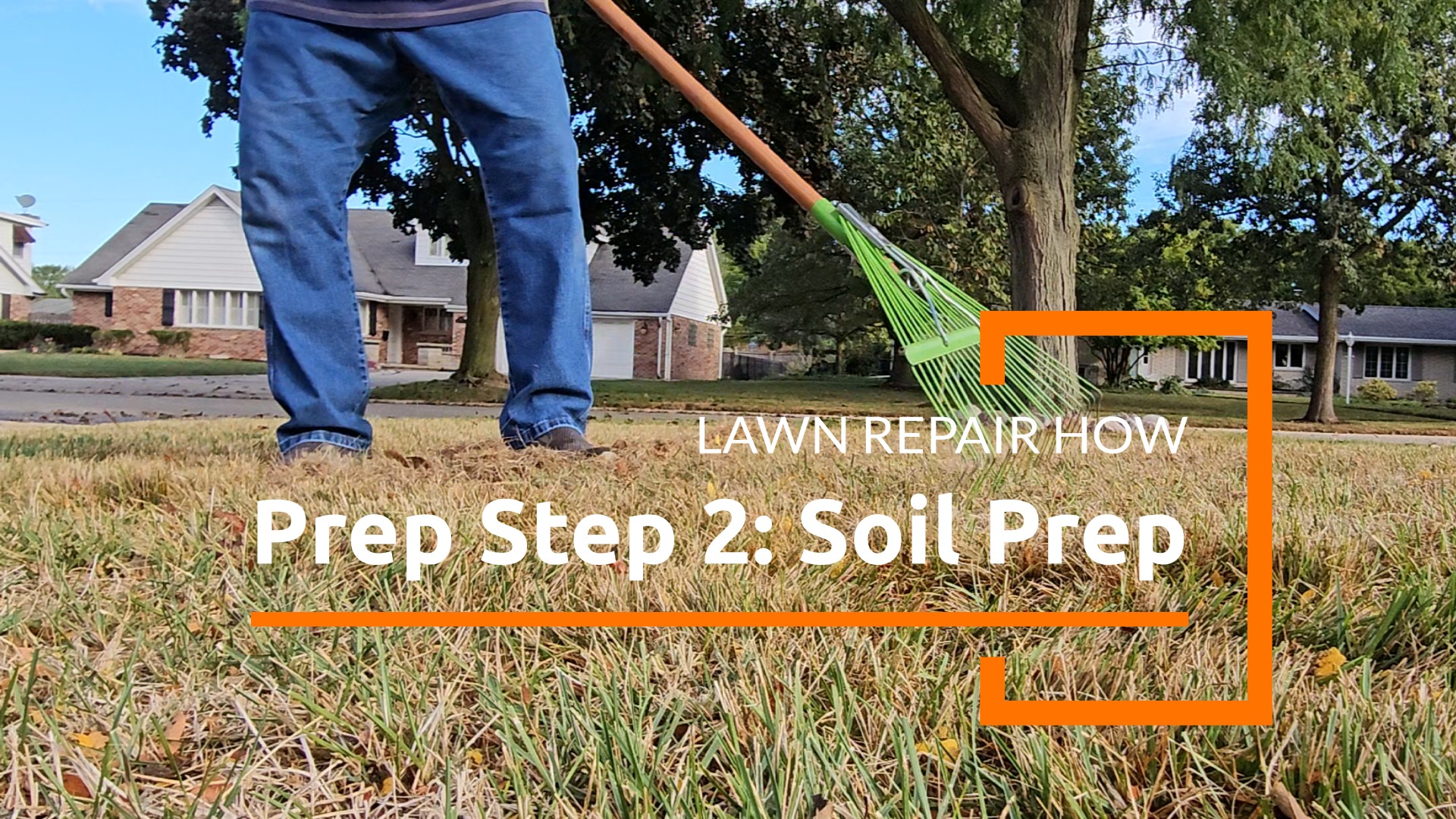
![Soil prep.]()
Get rid of the dead turf and other debris.
2. Loosen the Surface Soil
Give the new seed somewhere to establish its roots.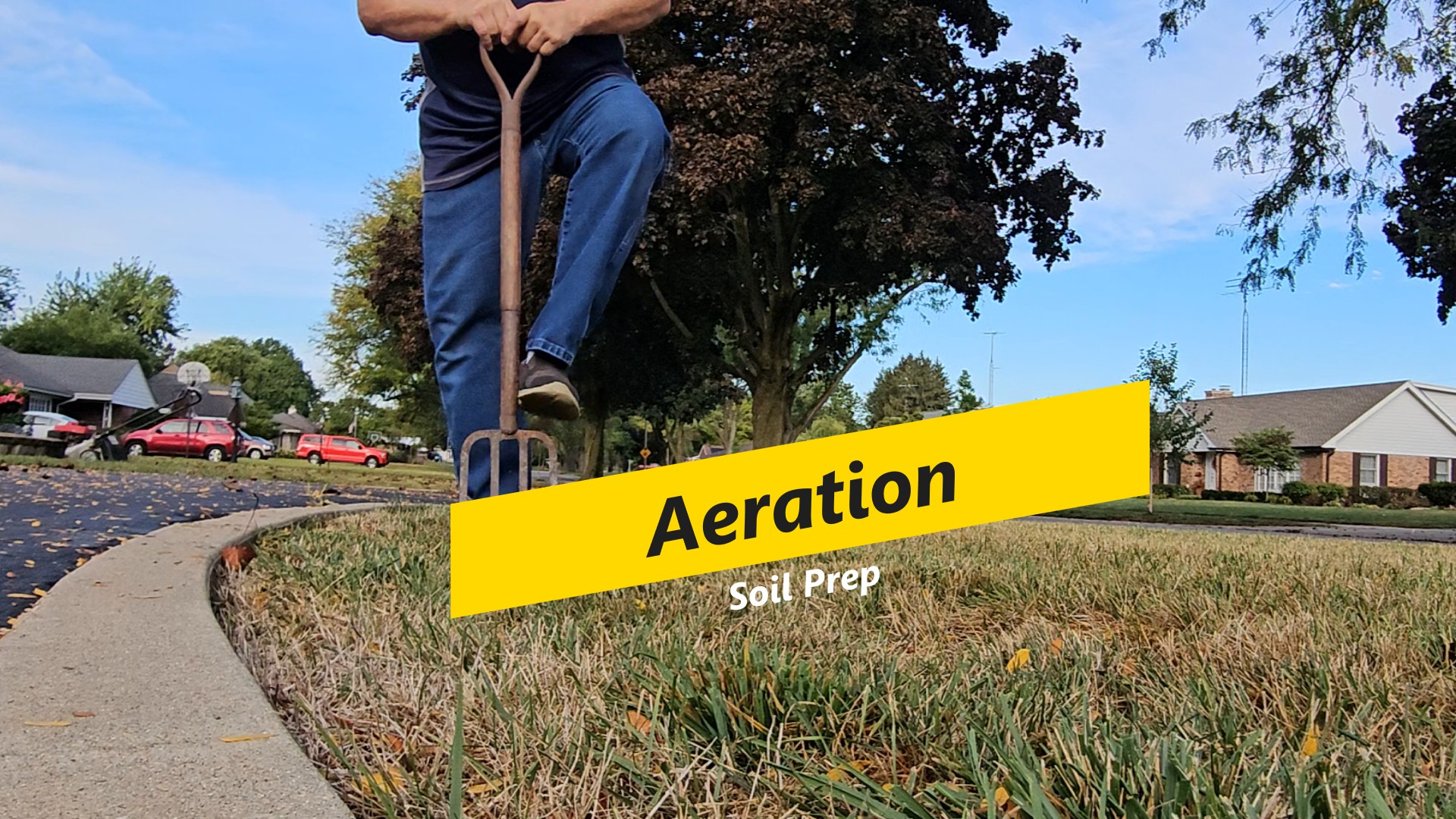
3. Apply Lawn Repair Mix
Fill the damaged area with your repair material.
4. Apply Grass Seed
Use quality seed appropriate for your region and the area’s sunlight conditions.
5. Lightly Rake
Work the seed into the surface without burying it too deeply.
6. Water Consistently
Again, consistent moisture is critical.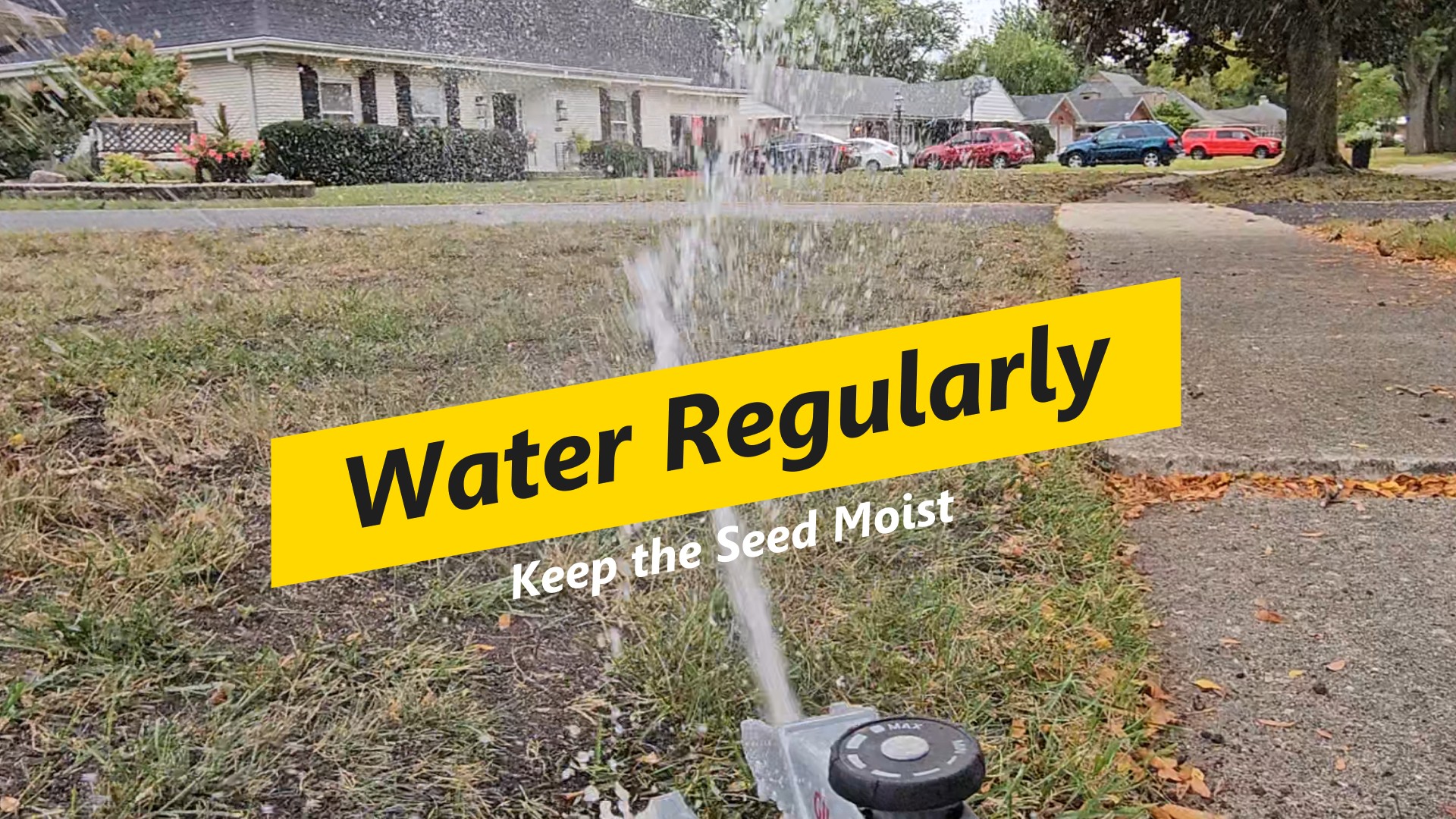
Under the right conditions, the difference can become dramatic in just a few weeks.
Which Fall Lawn Project Does Your Yard Need?
Here’s the easiest way to decide:
Your lawn is bumpy or uneven?
Start with Lawn Leveling.
Especially if your mower scalps high spots or water collects in depressions.
Your lawn is thin but generally healthy?
Consider Lawn Overseeding.
You’re adding new grass to increase turf density without starting completely over.
Your lawn has bare or damaged areas?
Choose Lawn Repair.
It’s the targeted approach for fixing specific problem areas.
And what if you need all three?
 That’s perfectly fine.
In fact, these projects can complement one another.
You might level the lawn first, overseed to increase density and repair a few particularly ugly areas along the way.
The important thing is to plan the sequence and give yourself enough time to complete each step properly.
Don’t Wait Until Spring to Fix a Fall Problem
One of the biggest mistakes homeowners make is looking at a struggling lawn in September and saying:
“I’ll fix it next spring.”
Spring can certainly be a good time for lawn improvement, but Fall gives cool-season grasses a valuable growing opportunity.
By addressing uneven areas, thin turf and damaged sections in the fall, you’re giving your lawn a chance to establish before winter and head into spring in better condition.
These three projects address three of the most common lawn problems homeowners encounter: Uneven ground. Thin turf. Damaged areas.
Your Fall Lawn Renovation Starts With a Plan
Before you grab the rake, seed spreader or wheelbarrow, take a walk around your property.
Look at your lawn critically.
Where is it uneven?
Where is it thin?
Where are the bare spots?
Then decide what needs to be done.
You don’t need to renovate every square foot of your property in one weekend. Start with the areas that need the most attention and work from there.
And whether you’re using Tim Wallace Topdressing Mix, Overseeder Mix and Lawn Repair Mix, or sourcing comparable materials locally, the important thing is to take advantage of the fall growing season.
Ready to Give Your Lawn a Fall Makeover?
At Tim Wallace Soil Mix Supply, we make it easier to get the right material for your lawn renovation project.
Our specialty lawn mixes are designed for specific applications:
![Topdressing Mix]() Topdressing Mix
Topdressing Mix
50% topsoil + 50% fine sand
Ideal for lawn leveling and filling minor depressions.
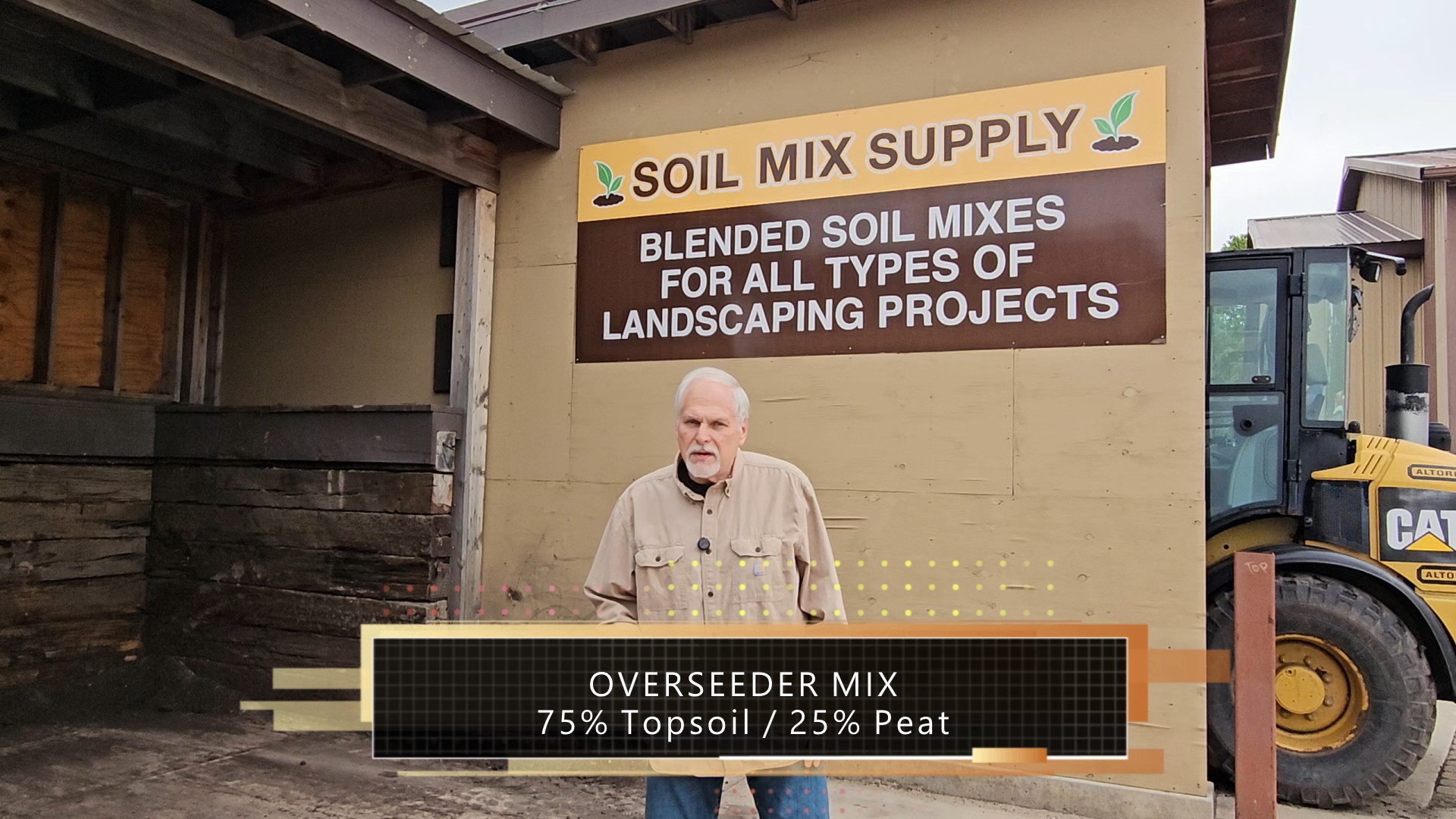
![Lawn Overseeder Mix]() Overseeder Mix
Overseeder Mix
75% topsoil + 25% peat
Designed to support grass-seed establishment and moisture retention.
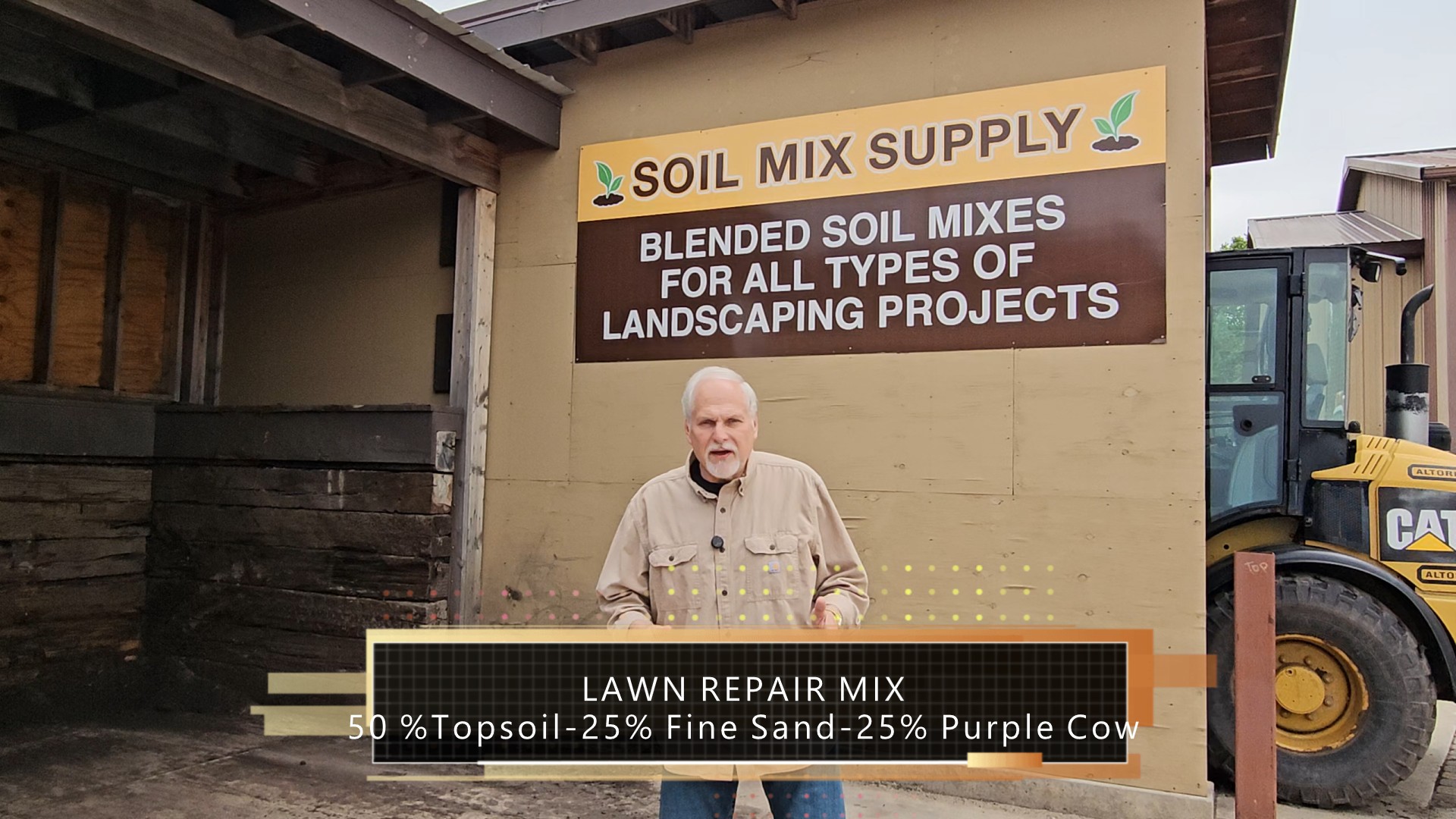
![Lawn Repair Mix]() Lawn Repair Mix
Lawn Repair Mix
50% topsoil + 25% fine sand + 25% Purple Cow Organic Compost
Designed for repairing bare spots, tired lawns, damaged areas and thin sections. Ideal for replenishing soil nutrients. When the last time you even considered replenishing the nutrients in the soil underneath your grass?! Probably never!
Remember: Your lawn fertilizer feeds the grass. The compost component in a lawn repair mix feeds the underlying soil.
If you’re in the Chicagoland area and planning a fall lawn renovation, contact Tim Wallace Soil Mix Supply to learn more about the right soil mix for your project.
Do the work this fall—and next spring, you may have the thicker, healthier, greener lawn you’ve been wanting all along.
And who knows?
It might even be the lawn your neighbors wish they had.
Watch The Soil Channel

Want to see these projects in action?
Click on the thumbnail to check out our The Soil Channel’s video about the Top 3 Fall Lawn Renovation Projects. You can count on The Soil Channel for practical lawn-care, soil-improvement and gardening advice from Tim Wallace Soil Mix Supply.