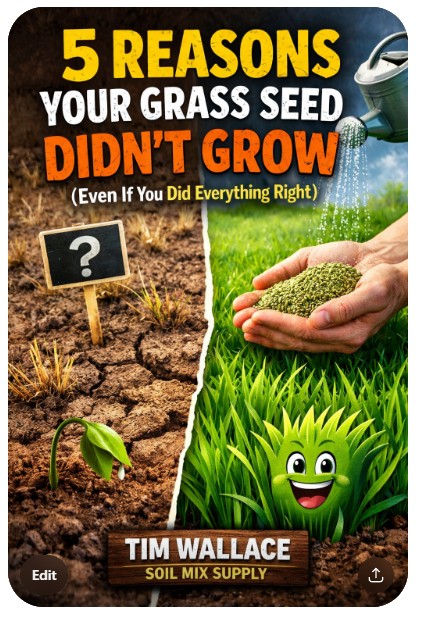
 Great expectations. Sobering realities. That’s a common theme for homeowners trying to improve and renovate their lawn through overseeding.
You did everything right… or at least it felt that way.
You bought the seed. You spread it evenly. You watered. You waited. And then… disappointment.
Patchy spots. Thin grass. Bare areas that look like they didn’t even try.
If that sounds familiar, you’re not alone—and more importantly, you’re not the problem.
In most cases, the issue isn’t effort.
Let’s break down exactly why lawn seeding fails—and how to fix it the right way using proven methods we use every day at Tim Wallace Soil Mix Supply, along with techniques you’ve seen on The Soil Channel.
Most on-line lawn content focuses on how to seed. Almost nobody explains why it fails — and that’s why we are writing this post to you. In short: “It’s not your effort… it’s your foundation.”
The Expectation vs. Reality Problem
Most homeowners expect this:
👉 Seed + water = thick, green lawn
But what actually happens is:
👉 Seed + poor soil conditions = inconsistent, frustrating results
Grass seed is surprisingly delicate. Without the right environment, even the best seed won’t perform. Let’s take a look at the problems and their solutions:
- Poor Seed-to-Soil Contact
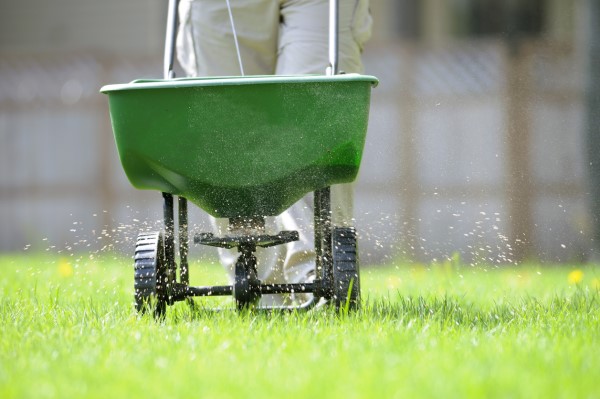 If your seed is sitting on top of hard, compacted ground, it’s not getting what it needs to germinate.
Birds eat it. Wind moves it. Sun dries it out.
The Fix: Apply a light layer of a high-quality topdressing mix after seeding.
Our Topdressing Mix, Lawn Overseeder Mix or Lawn Repair Mix here at Tim Wallace Soil Mix Supply is designed specifically to create that perfect contact layer—helping lock in moisture and protect the seed.
Check out our Soil Channel video playlist all about Lawn Renovation showing side-by-side results with and without a topdressing material—you’ll see the difference almost immediately.
2. Your Soil Structure Is Working Against You
 You may think you’ve got a good base of topsoil under your existing lawn, but far too often that layer is grossly inadequate and thin. Did your home builder lay sod on your lawn to complete the project? If so, you’ll be lucky if there’s even 1 inch of topsoil under the sod. Far too often I’ve seen builders lay sod over the rough-graded clay. Any good topsoil that was on the site, was scraped off and sold to a topsoil wholesaler.
And even if the original lawn was created by seeding in topsoil, within a few years there’s usually very little quality soil for your grass to grow and thrive in.
Your lawn can become nutrient deficient in as little a 1–3 years, but almost all lawns become noticeably “depleted” in 3–7 years if nothing is added back. When was the last time you fed you lawn soil? That’s not the same as fertilizing your grass.
Remember: Fertilizer feeds the plant. Compost feeds the soil. That said, it’s not really a fixed timeline—it depends heavily on how the lawn is managed.
Every time your lawn grows, it’s pulling nutrients out of the soil: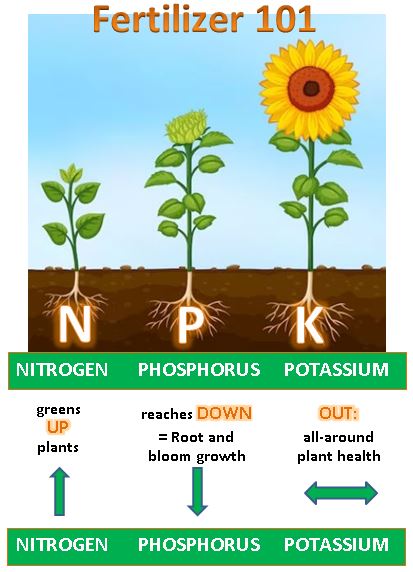
- Nitrogen (growth + green color)
- Phosphorus (roots)
- Potassium (stress tolerance)
If you:
- Bag clippings
- Remove leaves
- Never fertilize or topdress
…you’re constantly taking nutrients away without replacing them.
The Fix: Improve the soil structure with a balanced blend that contains the proper organics (ie. compost) and holds moisture (sand) while still allowing drainage.
This is where a professionally blended product like our Lawn Repair Mix comes in—it creates that ideal growing environment your native soil often lacks.
In the Chicagoland area (cool-season grass zone), soil temperature is the trigger for successful germination—not air temp.
Optimal Soil Temperatures (Cool-Season Grasses)
For the most common lawn types (Kentucky bluegrass, perennial ryegrass, tall fescue):
- Minimum germination temp: ~50–55°F
- Optimal range: 60–75°F
- Sweet spot for fast, even results: 65–70°F
At those temps:
- Ryegrass pops in ~5–7 days
- Fescue in ~7–10 days
- Kentucky bluegrass in ~14–21 days
What Happens If You Seed Too Early (Below ~50°F)?
This is where a lot of lawn projects quietly fail.
- Seed just sits there
It won’t germinate until soil warms up. - Higher risk of rot or disease
Cold + wet soil = seed can decay before sprouting. - Washout / erosion risk
Spring rains can move seed before it anchors. - Wildlife buffet
Birds and critters have more time to eat it.
Bottom line: You don’t “get a head start”—you mostly increase risk.
What Happens If You Seed Too Late (Hot Soil)
- Soil temps above ~80°F start to stress seedlings
- Germination can still happen, but:
- Water demand skyrockets
- Seedlings dry out easily
- Summer heat can kill young grass before roots establish
Chicagoland Timing Reality
- Spring window: Mother’s Day → Father’s Day (soil hits ~55–65°F)
- Best overall window, Fall: Labor Day → Columbus Day
- Warm soil
- Cooler air
- Less weed pressure
- Ideal for deep root establishment before winter
Pro Tip (What Most People Miss)
Soil temp lags behind air temp. A few warm days in March doesn’t mean your soil is ready.
- Use a soil thermometer OR
- Check online soil temp maps (look for a consistent 5-day average above 55°F)
Straight Talk
If you’re even slightly early, wait.
If you’re slightly late in spring, skip it and plan for fall.
That one decision alone can be the difference between:
- a thick, professional lawn
vs. - patchy, frustrating results

3. Inconsistent Moisture (The Silent Killer)
Grass seed needs consistent moisture—especially in the early days.
Too dry? It dies. Too wet? It can rot.
Most lawns fail right here.
The Fix: Topdressing acts like a moisture buffer. Our Lawn Overseeded Mix – 75% topsoil and 25% peat is ideal for conditioning the soil, retaining soil moisture and adjusting the soil’s pH down to within the sweet-range for optimum grass seed germination and growth.
It helps retain water longer between watering cycles, which is something we emphasize heavily on The Soil Channel, especially in our lawn renovation and overseeding videos.
4. Your Soil Has No “Fuel”
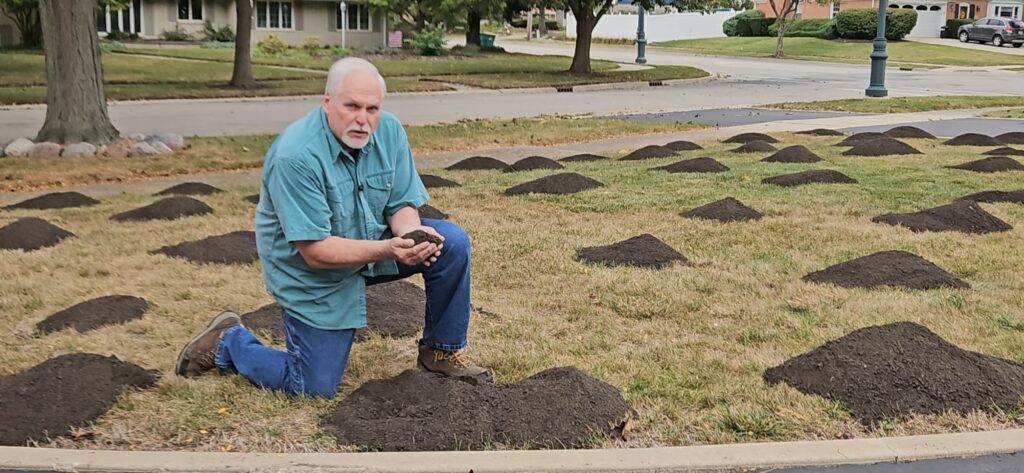 Based on our previous discussion of how your soil structure is working against you, even if your seed germinates, it still needs nutrients (fuel) to grow. And again, we’re not talking about chemical fertilizer but rather organic amendments – specifically, compost.
Far too many existing lawns are “fuel” depleted—meaning there’s nothing there to support new grass.
The Fix: Use an enriched soil blend that contains fresh topsoil, organic matter and nutrients.
Our blends at Tim Wallace Soil Mix Supply are built to not only support germination, but to sustain growth beyond those first few weeks.
Again, Timing Matters More Than You Think
You can do everything else right—but if you seed at the wrong time, results will suffer.
The best windows for seeding and topdressing are:
🌱 Spring: Mother’s Day to Father’s Day
🍂 Fall: Labor Day to Columbus Day
These windows provide the ideal combination of soil temperature, moisture, and reduced stress on new grass.
We talk about this often on The Soil Channel, and it’s one of the easiest ways to dramatically improve your results.
5. The Most Important Step Homeowners Skip: Topdressing the Lawn
If there’s one takeaway from this entire article, it’s this:
Topdressing is the missing link between seeding and success.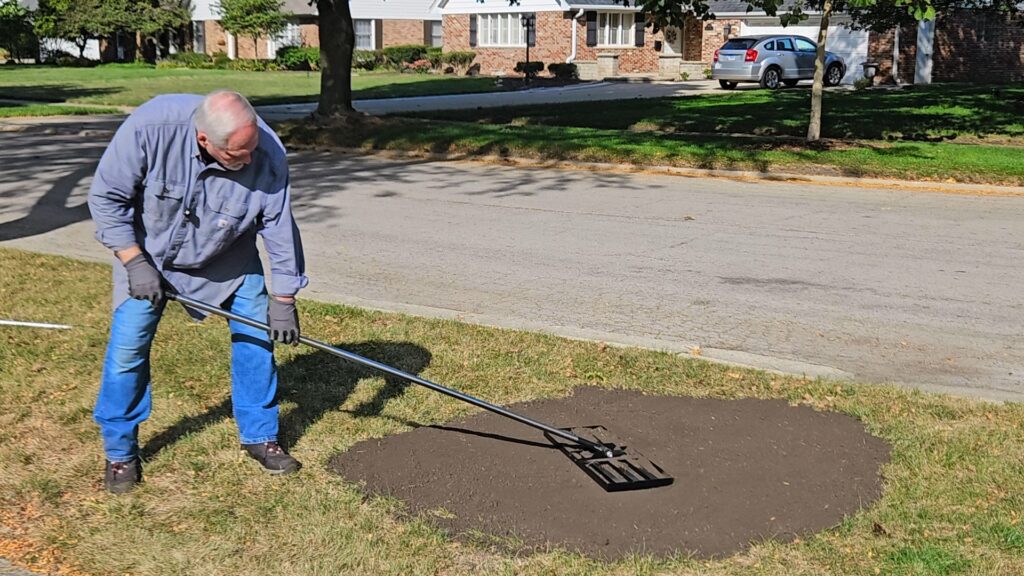
A thin, even ½” layer over your seed:
- Protects it
- Feeds it
- Holds moisture
- Improves germination rates
- Creates a better-looking, more even lawn
It’s not an “extra step”—it’s the step that makes everything else work.
What the Perfect Seed Bed Actually Looks Like
A successful lawn doesn’t happen by accident.
The ideal seed bed is:
- Loose and level
- Rich in organic matter
- Able to hold moisture without becoming soggy
This is exactly what we aim to create with every yard we work on—and what you see demonstrated across multiple projects on The Soil Channel.
How to Fix a Failed Lawn (Without Starting Over)
Good news—you don’t have to tear everything out and begin from scratch.

Here’s a simple recovery plan:
- Get your weeds under control
- Give yourself sufficient time between weed control and overseeding as per the product label
- Aerate or lightly rake the problem areas to remove the thatch
- Mow your lawn to about 1-1.5 inches
- Apply a thin layer of your preferred topdressing mix
- Overseed the area
- Water consistently
That’s it.
This approach is one of the most common “fixes” we recommend both in-store and in our videos—and it works.
Calculate How Much You Need
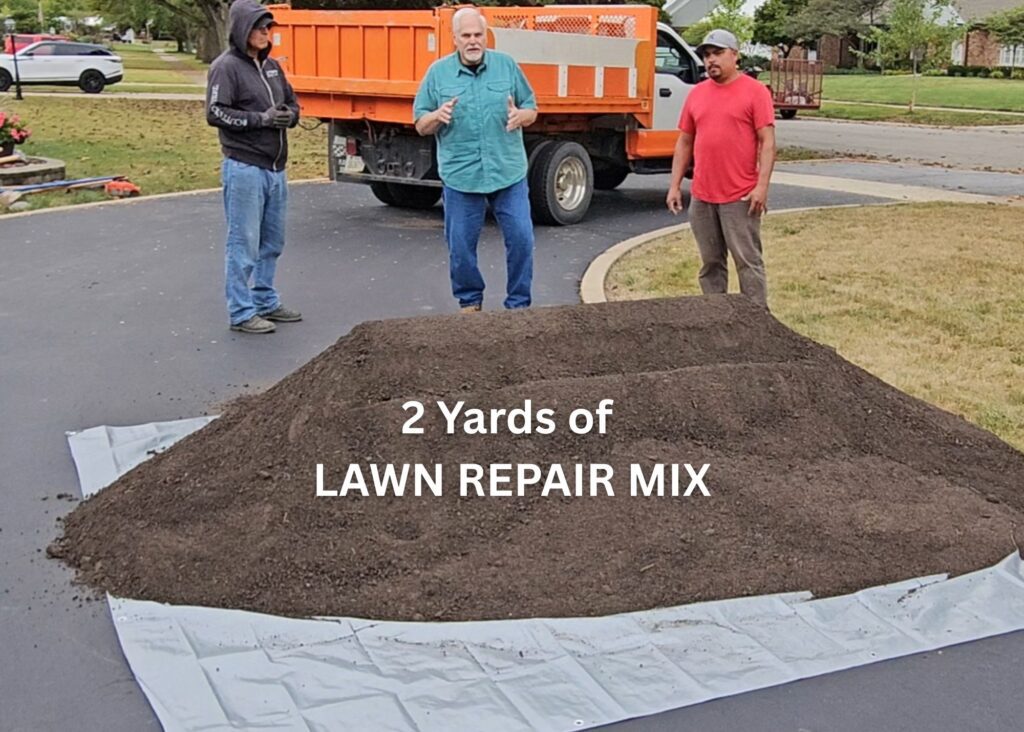 Not sure how much material to use?
Use our PRODUCT CALCULATOR to get an exact estimate based on your lawn size. Or stop by Tim Wallace Soil Mix Supply and we’ll help you figure it out.
📍 Visit us in-store
📞 Give us a call for expert advice
🎥 Watch step-by-step guides on The Soil Channel
Final Thoughts: Stop Wasting Seed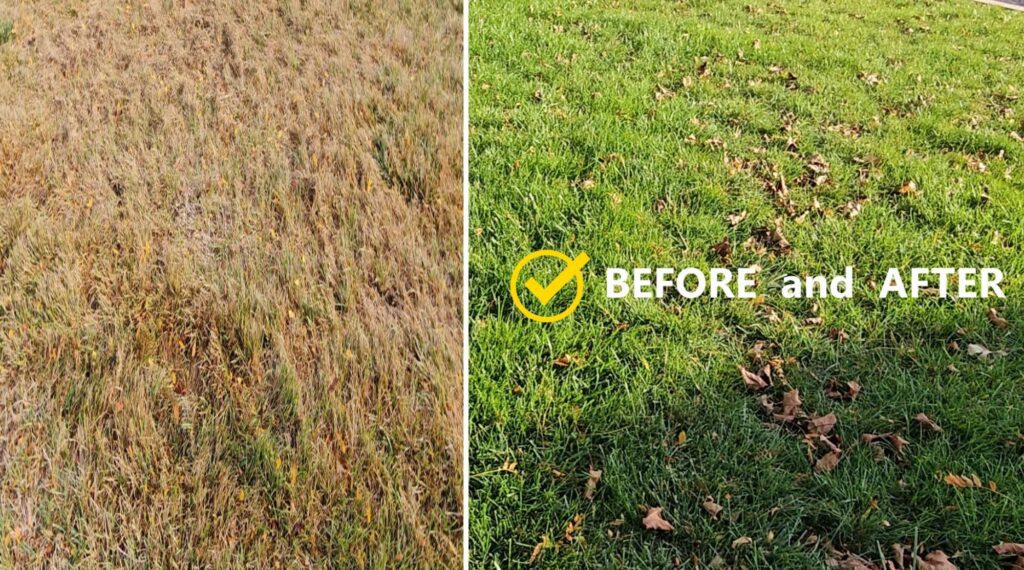
If your lawn still looks bad after seeding, don’t keep repeating the same process and hoping for different results.
Fix the soil. Improve the conditions. Use the right materials.
And most importantly—don’t skip the topdressing.
That’s where the real transformation happens.
Want to see real results?
Head over to The Soil Channel to watch our lawn renovations in action, and see exactly how we turn patchy, struggling lawns into thick, healthy turf.
And when you’re ready, Tim Wallace Soil Mix Supply has everything you need to get it done right the first time.