A Step-by-Step Beginner’s Guide from Tim Wallace Soil Mix Supply
 If you’ve been thinking about growing your own vegetables but feel overwhelmed about where to begin, take a deep breath. You don’t need a green thumb, a massive backyard, or years of experience to build a thriving garden. You just need a little guidance—and the right soil beneath your feet.
At Tim Wallace Soil Mix Supply, we’ve helped first-time gardeners all over Chicagoland take the leap into growing their own food. You’re not just planting seeds—you’re planting confidence.
So let’s get started. You can absolutely do this!
Why So Many People Are Starting Their Own Gardens
![Why start your own garden]()
It’s no surprise that vegetable gardening is more popular than ever—and for good reason:
- Freshness You Can Taste – Homegrown veggies taste better, because they’re picked at their peak.
- Save Money – A few dollars of seeds can yield hundreds in produce.
- Food Security – You control what goes into your food—no mystery sprays or chemicals.
- Stress Relief – Working in the soil reduces anxiety and boosts mood.
- Family Time – Gardening teaches responsibility, science, and patience to kids—and adults!
6 Simple Steps: How to Start Your First Vegetable Garden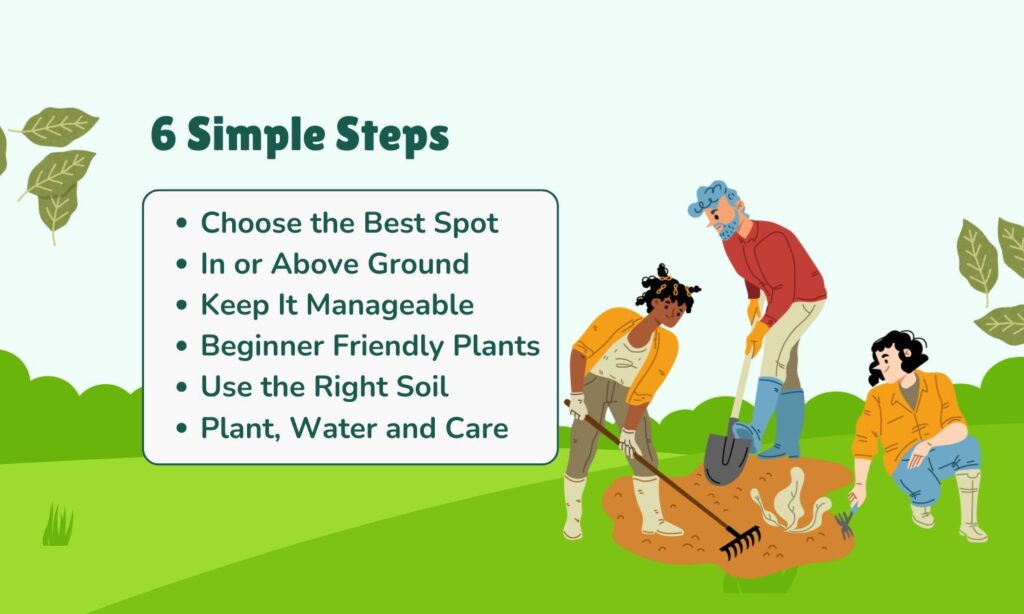
![6 Simple Steps]()
Step 1: Choose the Best Spot
Your garden needs:
- 6–8 hours of direct sunlight per day
- Access to water
- Well-drained soil or a raised surface
Avoid low-lying areas where water collects or spaces shaded by buildings or trees.
Step 2: Decide Between In-Ground vs Raised Bed Gardening
| Feature | In-Ground Garden | Raised Bed Garden |
| Pros | Utilizes existing land, less upfront cost | Better drainage, warmer soil, fewer weeds, more accessible |
| Cons | May have poor native soil, compaction, weeds | More materials required, initial building effort |
| Ideal For | Larger areas, lower budgets | Beginners, poor soil conditions, smaller yards |
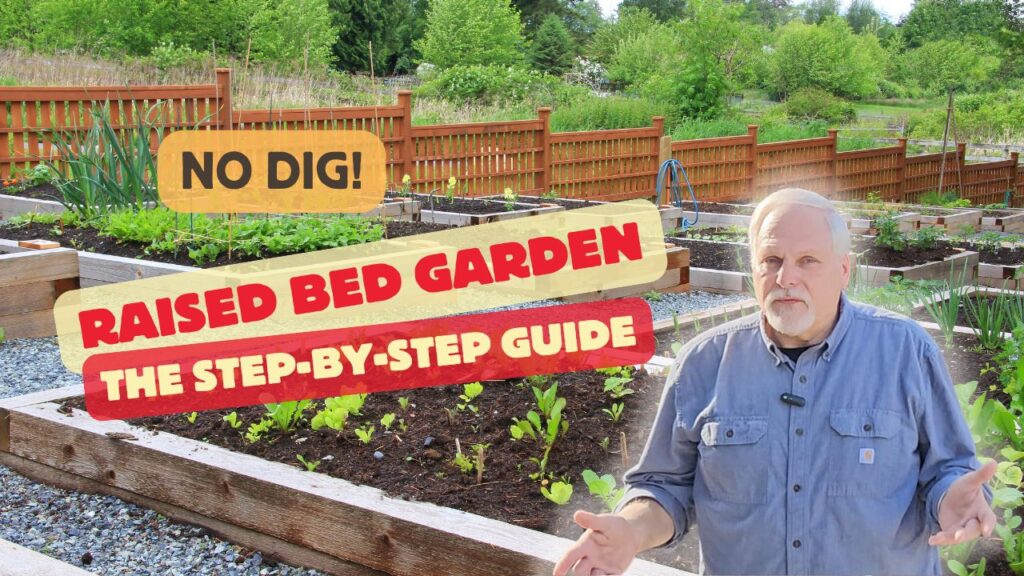
Expert Recommendation: For first-timers, we strongly recommend a raised bed garden. It gives you full control over soil quality, warms up earlier in spring, and simplifies weed and pest control. It’s also easier on your back!
Step 3: Start Small and Keep It Manageable
A 4′ x 8′ raised bed is perfect for beginners. So is an in-the-ground garden of similar dimensions. You’ll be surprised how much you can grow in that space.
Don’t overplant—start with a handful of easy, rewarding crops.
Step 4: Pick Beginner-Friendly Vegetables
Choose vegetables that are low-maintenance, fast-growing, and suited to our Midwest climate:
| Vegetable | Why It’s a Great First Choice |
| Tomatoes | High-yielding, versatile, and loved by all |
| Zucchini | Practically grows itself with minimal care |
| Leaf Lettuce | Quick harvest, cut-and-come-again style |
| Radishes | Germinates in days, harvest in 3–4 weeks |
| Green Beans | Easy to grow and keeps producing |
| Carrots | Great for deep beds with loose soil |
| Cucumbers | Productive climbers with great flavor |
Expert Recommendation: Stick to 5–7 different crops you know you and your family will eat.
Step 5: Use the Right Soil—Don’t Try to DIY Your Own Mix
Soil is everything. Poor soil = poor results. Many beginner gardeners try to “wing it” with bagged dirt or cheap topsoil—only to get stunted growth or unhealthy plants.
Instead, trust the professional, ready-to-go mixes we’ve created specifically for vegetable gardens:
A soil blend that combines 50% topsoil, 25% compost, and 25% sand—like the premium mixes made by Tim Wallace Soil Mix Supply—is considered the gold standard for garden soil because it strikes the perfect balance of structure, nutrition, and drainage. Here’s a breakdown of why this combination works so well:
- Topsoil (50%) – The Foundation
- Purpose: Provides the bulk of the soil structure and holds moisture.
- Why It Matters: Topsoil is the base layer that contains minerals and some organic material. When it’s screened and clean, like Tim Wallace’s, it ensures a stable and healthy environment for root growth.
- Compost (25%) – The Nutrient Powerhouse
- Purpose: Feeds the soil and your plants.
- Choices: You have options and can chose the perfect compost for your situation
- Why It Matters: Compost is rich in organic matter and beneficial microbes.
- Boosts fertility naturally (no chemical fertilizers needed right away)
- Improves the soil’s ability to hold nutrients
- Encourages biological activity (which leads to healthier plants)
- Promotes stronger root systems.
- Sand (25%) – The Drainage Expert
- Purpose: Improves soil texture and drainage.
- Why It Matters: Sand loosens heavy soil and prevents compaction. That means:
- Better water movement through the soil (no root rot)
- Improved aeration (oxygen reaches roots)
- Easier to work with—especially in raised beds or clay-heavy areas.
Why This Specific Mix and Ratio Works Best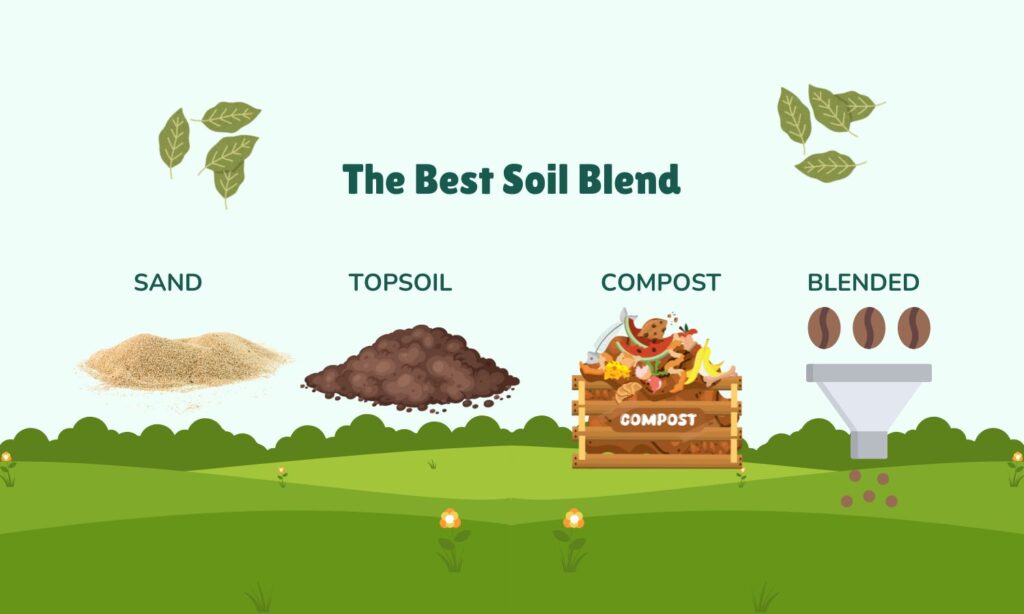
![Topsoil, sand and compost for the best garden soil]()
When you blend these components together, you get a soil that:
- Drains well but retains enough moisture,
- Is rich in nutrients yet balanced,
- Encourages deep, healthy root growth,
- Is easy to work with, whether you’re planting vegetables, flowers, or herbs.
Tim Wallace Soil Mix Supply: Our 2 Most Popular Veggie Garden Blends
Raised Bed Mix (For Above-Ground Gardens)
A premium mix of topsoil, compost and coarse sand—formulated to: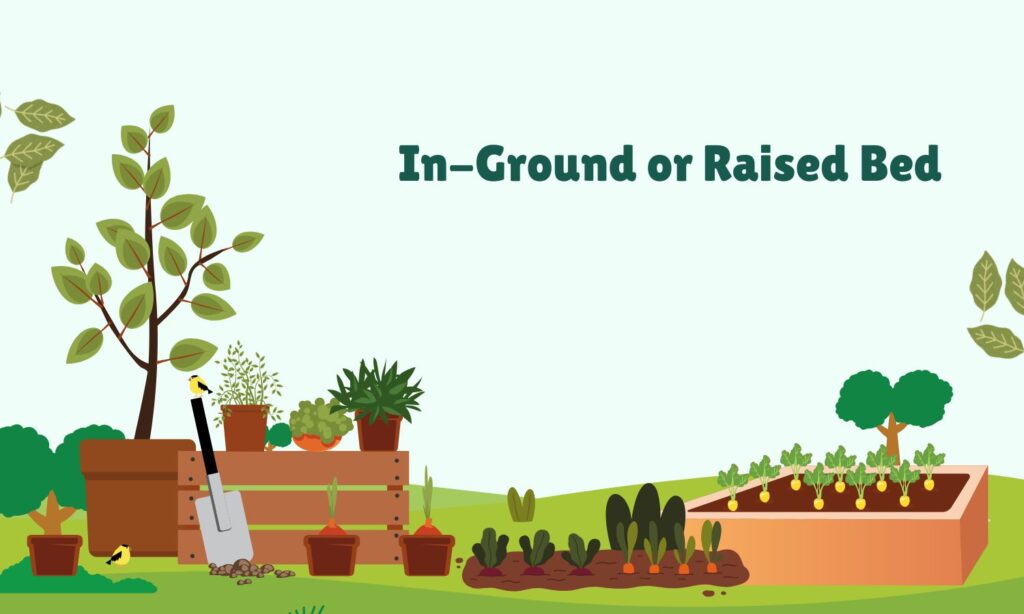
- Provide excellent drainage
- Hold the perfect amount of moisture
- Encourage deep root growth
- Resist compaction
Why coarse sand matters in raised beds: It helps excess water drain away while preventing soil from packing down over time—something raised beds are prone to without it.
Tim’s Original Garden Mix (For In-Ground Beds)
A rich mix of topsoil, compost and fine sand—ideal for amending native soil and building fertility where it counts.
Why fine sand is crucial in in-ground gardens: It improves texture, breaks up heavy clay, and promotes better root penetration and water flow—without over-drying.
Not sure what you need? Just call or stop in—we’ll help you figure it out based on your space and goals.
Step 6: Plant, Water, and Care for Your Garden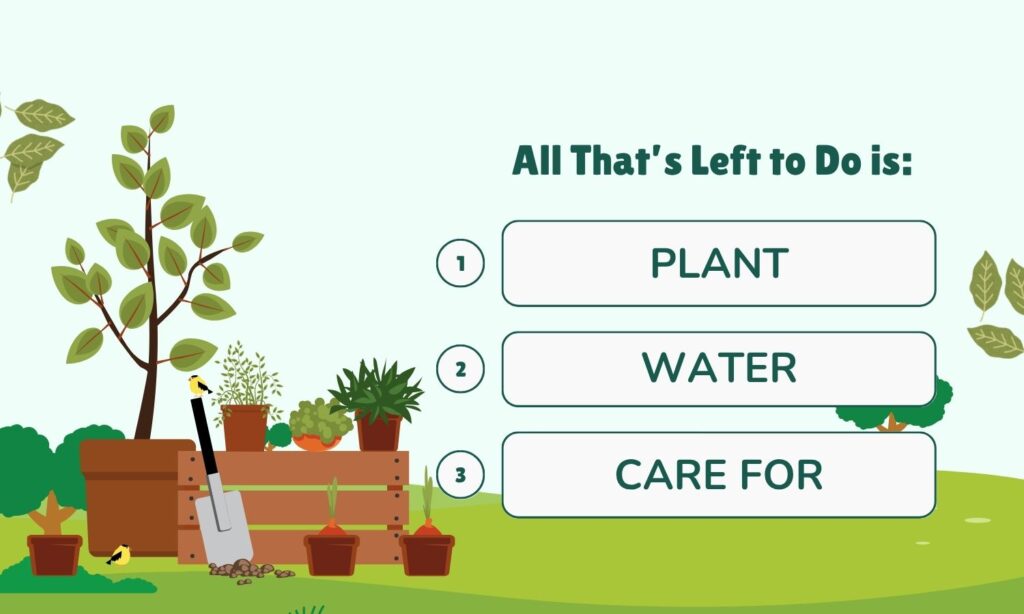
![Plant, water, tend]()
- Plant seeds or seedlings according to package directions.
- Water consistently—not too much, not too little.
- Mulch to keep weeds down and moisture in.
- Check daily for pests or signs of stress.
Keep it simple, stay curious, and don’t stress. Every garden teaches you something new.
You’ve Got This—We’ve Got the Soil
You don’t need to be a master gardener to grow your own food. You just need: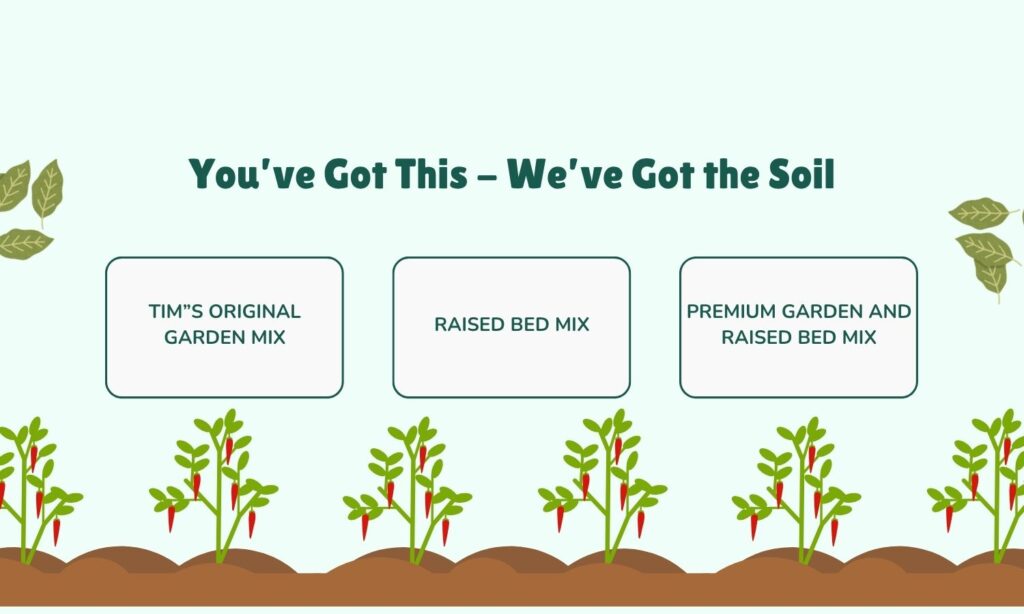
- A little sunshine
- Some basic tools
- The right soil
- And the willingness to try
At Tim Wallace Soil Mix Supply, we’re proud to support beginner gardeners across Chicagoland with the highest quality soil mixes available—delivered in bulk or ready for pickup.
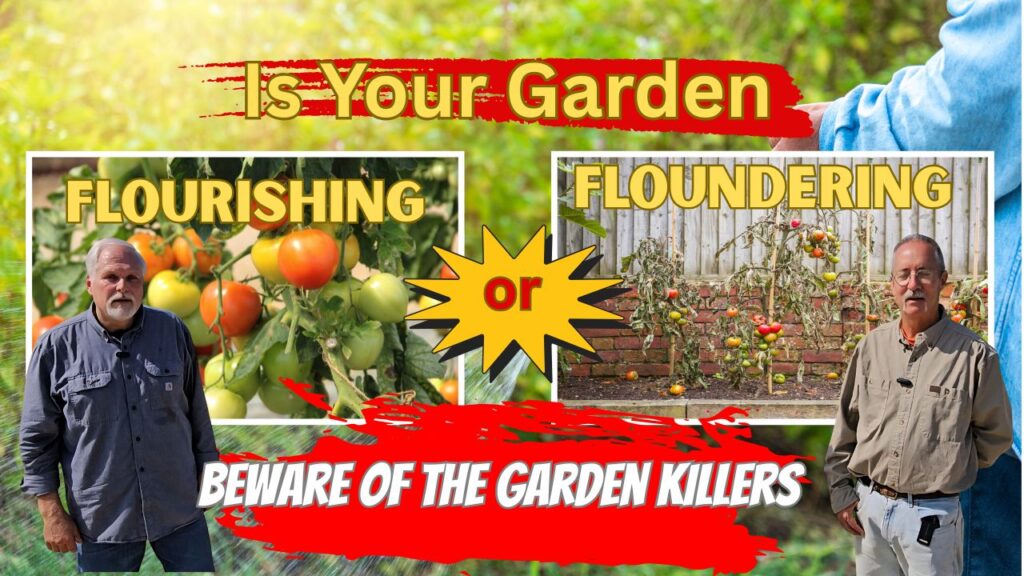
To Insure a Healthy and Productive Garden Each and Every Year – Avoid these “Garden Killers”
Whether you realize it or not – or want to admit it or not, your garden is constantly under attack. There are at least 10 factors – we refer to them as “Garden Killers” that if not recognized, corrected – or better yet, prevented, will destroy your garden and spoil your hours of hard work. Click on the photo below to find out just what things – “garden killers” are and to start to watch our 10-video series, “Garden Killers” and find out how to maintain a healthy and productive garden year-after-year.
Ready to Start Your Garden?
![Call us at (630) 759-1080]()
Stop in or contact us to get:
- Expert advice tailored to your yard
- Bulk soil mixes (by the cubic yard)
- Delivery to your home or job site
Let’s grow something great—together.