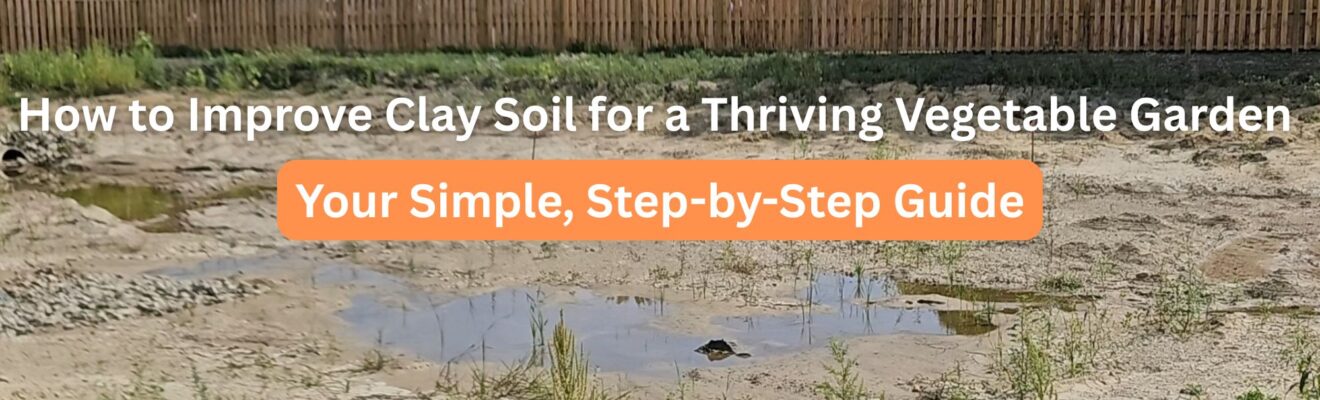
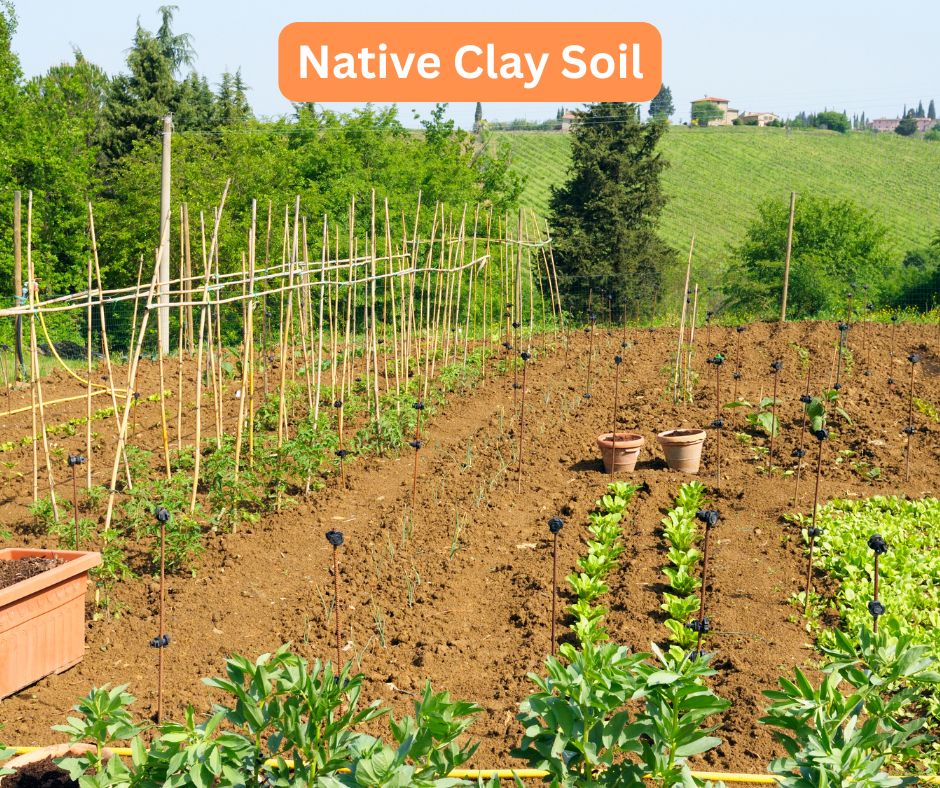
 Many people create their backyard garden using the soil that exists there. We refer to that as “native soil”. They often remove the sod (grass) and then roto-till the underlying dirt. But for several different reasons, that existing soil is most likely clay. In and around the greater Chicagoland area, clay soil is quite common.
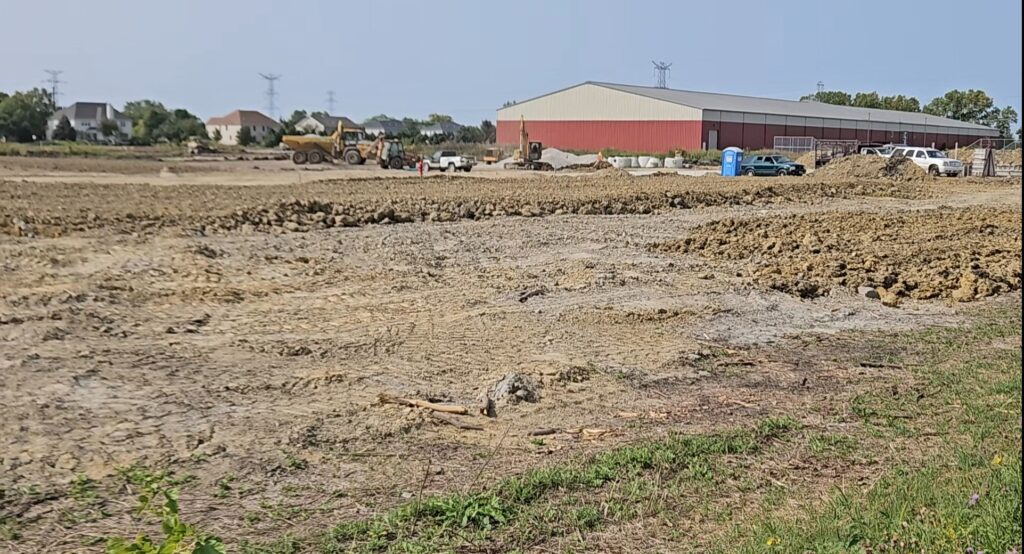
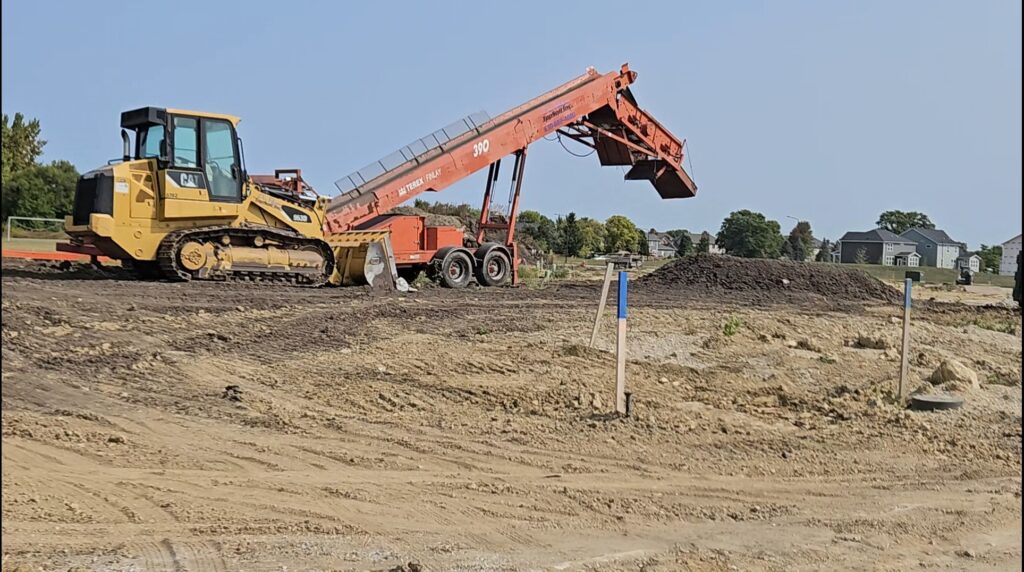
You can be assured that any good black dirt that existed on your lot was removed to facilitate the building process. If you live in what was a subdivision or housing development, and once the building process was completed, a thin layer of 2 inches or so of native black dirt was probably re-introduced onto your property as the media for planting grass or laying sod – barely enough to grow grass and certainly not enough for a vegetable garden!
 |
 |
Clay soil presents several problems and challenges that make it great for the bottom of a storm water retention pond, but less than ideal for an in-the-ground vegetable garden—especially for beginners or those seeking high yields and healthy plants. If you’ve ever tried growing vegetables in native Illinois clay soil, you’ve probably dealt with these three things: waterlogged roots, rock-hard earth and poor crop health and production. Clay soil holds nutrients well, but it’s dense, drains poorly, and gets compacted easily—making it a challenge for vegetable gardens.
Luckily, there’s a fix—and we’ve got everything you need to get your garden soil into shape, right here at Tim Wallace Soil Mix Supply. To begin, let’s look at why clay dirt is often considered unsuitable.
Problem 1. Poor Drainage
![Clay soil when it gets wet - stays wet resulting in poor drainage.]()
Clay particles are extremely fine and compact tightly together. This prevents water from draining properly, often leading to:
- Waterlogged soil (Vegetable roots, especially root crops like carrots and potatoes, hate “wet feet.”)
- Root rot
- Stunted plant growth and poor fruit yields
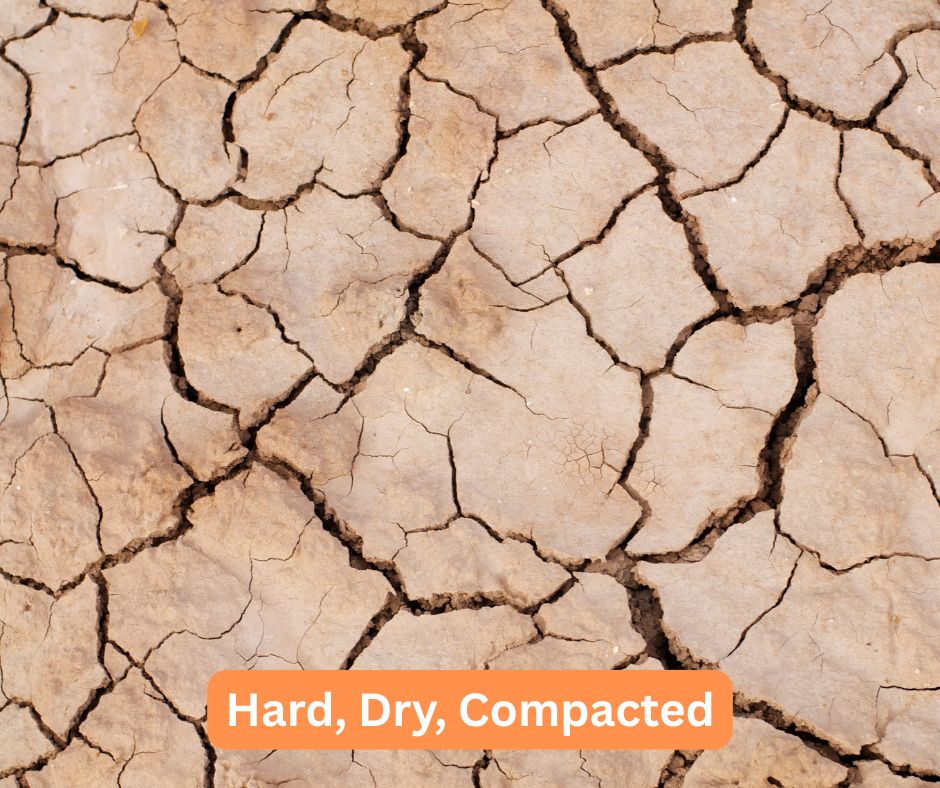
![Clay soil when it gets dry becomes rock hard and inhospitable for vegetable plants.]() Problem 2. Hard and Compact When Dry
Problem 2. Hard and Compact When Dry
When clay soil dries out, it becomes rock-hard and difficult to dig or till. This compaction:
- Inhibits root penetration and expansion
- Reduces oxygen flow to roots
- Makes weeding and planting labor-intensive
Problem 3. Lack of Airflow
Clay has extremely low porosity – the space between the molecules of the clay. Roots need both water and oxygen. Dense clay restricts air pockets in the soil, suffocating root systems and slowing growth.
![Clay soil can lock up available soil nutrients.]() Problem 4. Nutrient Lock-Up
Problem 4. Nutrient Lock-Up
While clay soil can actually hold onto nutrients well, they are not always available to plants. Why?
- Poor drainage and compaction limit microbial activity
- pH imbalances in clay can “lock” nutrients in forms plants can’t absorb
Problem 5. Slow to Warm Up in Spring
Clay holds moisture and is slow to warm up compared to sandy or loamy soils. This:
- Delays seed germination
- Slows early-season plant growth
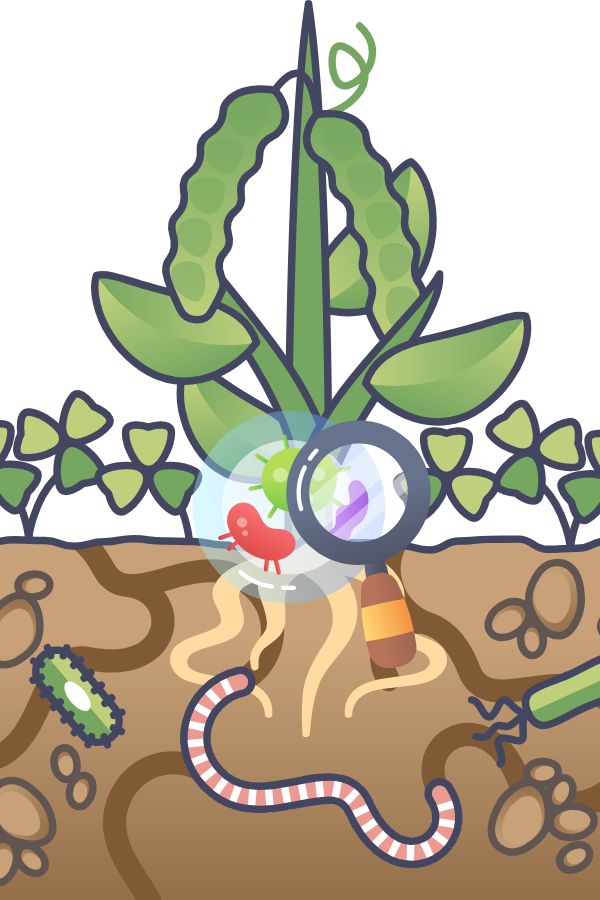
![Clay doesn’t provide an ideal home for earthworms, microbes, and other beneficial soil life that break down organic matter and aerate soil naturally.]() Problem 6. Low Biological Activity
Problem 6. Low Biological Activity
Clay doesn’t provide an ideal home for earthworms, microbes, and other beneficial soil life that break down organic matter and aerate soil naturally.
The Bottom Line:
Clay soil isn’t a death sentence for gardening—but it requires some serious TLC. To grow vegetables successfully in clay, you need to improve it by adding organic matter like compost, peat, and other amendments to create a more crumbly, loamy, plant-friendly structure. Here is our 2-Step approach (and our caution with Step 3) to make your clay soil more “garden-friendly”.
Step 1: Choose the Right Compost to Amend Clay Soil
Adding one type of high-quality compost at a time is the best strategy. Here’s a look at the options we carry, how they help, and which one we think is best:
-
Organic Compost
Our screened Organic Compost is an affordable, nutrient-rich amendment that improves drainage and texture. It’s made from a blend of decomposed plant material and is a great general-purpose soil conditioner.
Best for: Budget-conscious gardeners starting fresh with a new garden bed.
Characteristics of Organic Compost as a Soil Amendment: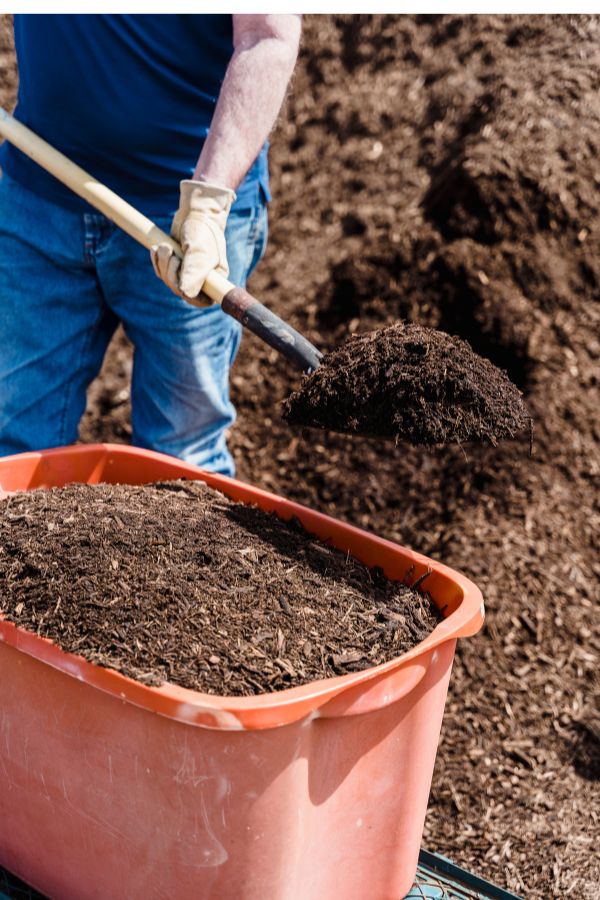
- Improves Soil Structure: Helps break up heavy clay soil and binds loose sandy soil, improving overall texture and tilth.
- Enhances Water Retention & Drainage: In clay soils, compost improves drainage.
- Boosts Microbial Life: Supports a healthy population of beneficial microbes and fungi that help decompose organic matter and cycle nutrients.
- Slow-Release Nutrients: Provides a gentle, steady supply of plant nutrients without the risk of “burning” plants.
- Increases Organic Matter: Raises the organic content of soil, which improves nutrient-holding capacity (CEC – cation exchange capacity).
- Reduces Compaction: Loosens dense soils, making it easier for roots to grow and access nutrients and air.
- Suppresses Some Soil-Borne Diseases: A biologically active compost may help reduce pathogens through microbial competition.
- Recycles Organic Waste: Environmentally responsible – diverts yard and food waste from landfills.
Typical N-P-K of Organic Compost:
- N-P-K (Nitrogen-Phosphorus-Potassium):
Typically ranges from 0.5 – 1.5 – 0.5 to 2 – 1 – 1, depending on source materials.
- These are relatively low numbers compared to granular or liquid organic fertilizers, but compost works more as a soil conditioner than a direct fertilizer. Remember: Fertilizer feeds your plants. Compost feeds your soil.
-
Purple Cow Classic Compost

![Purple Cow logo]()
This premium, organic-certified compost is biologically active and plant-based. It not only improves structure and drainage, but it also supercharges soil life—perfect for long-term soil health.
Best for: Gardeners focused on organic growing and long-term soil health.
Characteristics of Purple Cow Compost When Used as a Soil Amendment:
- OMRI-Listed for Organic Use: Certified for organic gardening, (by the Organic Materials Review Institute) making it safe and ideal for edible crops and eco-conscious gardeners.
- Well-Aged and Fully Finished: It’s a biologically active, screened, aerobic compost—meaning it’s fully decomposed, consistent in texture, and ready to improve soil immediately.
- Rich in Microbial Life: Loaded with beneficial microbes and fungal populations that help break down nutrients and organic matter in the soil, improving plant uptake.
- Improves Soil Structure: Loosens heavy clay soil, increases water retention in sandy soil, and improves aeration and drainage overall.
- Adds Stable Organic Matter: Boosts humus levels, which improves cation exchange capacity (CEC), helping soil retain nutrients more efficiently.
- Odor-Free and Easy to Work With: Clean, earthy smell. Screened for a fine texture, making it easy to blend into existing soils.
- Reduces Erosion and Compaction: Improves soil’s sponge-like qualities, reducing runoff and surface crusting.
- No Fillers or Synthetics: Made from plant-based feedstocks—no manure, biosolids, or mystery ingredients.
Typical N-P-K of Purple Cow Classic Compost:
- N-P-K: Approximately 0.5 – 0.5 – 0.5 (values can vary slightly)
- These values reflect slow-release, natural nutrient availability, which supports long-term soil health rather than immediate fertilization.
-
Composted Horse Manure
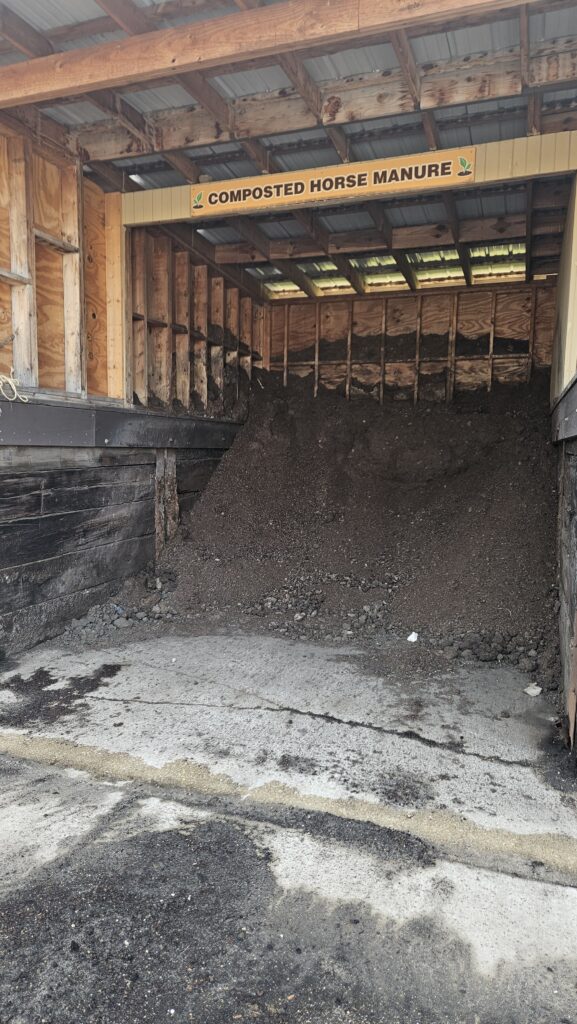
![Our Composted Horse Manure bin]()
Our Composted Horse Manure is aged, turned regularly (think minimal odor) and adds excellent fertility to your clay soil while helping to loosen it over time.
Best for: Enriching large garden beds with both structure and fertility.
Characteristics of Composted Horse Manure When Used as a Soil Amendment:
- Improves Soil Structure in Clay: Breaks up heavy, compacted clay, making it looser and easier to work. This improves aeration, root penetration, and drainage.
- Adds Organic Matter: Significantly increases the soil’s organic content, which enhances microbial activity and improves long-term soil fertility.
- Provides Balanced Nutrients: Naturally contains nitrogen, phosphorus, and potassium in modest but useful amounts, helping feed plants steadily over time.
- Encourages Microbial Life: Supports beneficial soil microbes and earthworms, which further improve soil structure and nutrient cycling.
- Low Risk of Burning Plants (when fully composted): Unlike fresh manure, composted horse manure is much less likely to “burn” plant roots.
- Recycles Waste Responsibly: Repurposes farm waste into a productive, earth-friendly amendment.
- Improves Water Infiltration and Retention: In clay soils, it helps water soak in more effectively and prevents surface runoff.
Typical N-P-K of Composted Horse Manure:
- N-P-K: Approximately 0.7 – 0.3 – 0.6
(Can vary based on bedding materials and composting methods) - Nutrient levels are moderate and slow-release, ideal for steady growth and soil improvement without over-fertilizing.
-
Peat
Peat is sourced from peat bogs. Ours comes from northern Minnesota. Peat is lightweight and holds moisture well. It can help loosen dense clay but offers little nutrition by itself.
Best for: Mixing with other composts when moisture balance is a concern.
Characteristics of Peat for When Used as a Soil Amendment:
- Improves Soil Texture: Peat helps loosen compacted clay, making the soil lighter, more crumbly, and easier to work with. It improves root penetration and air exchange.
- Increases Water Retention & Drainage: Paradoxically, peat holds water well while also improving drainage in heavy clay. It creates better moisture balance.
- Raises Organic Matter Content: Adds stable organic material to the soil, enhancing microbial activity and long-term soil fertility.
- Sterile & Weed-Free: Peat is naturally sterile—free of weed seeds, insects, and pathogens—making it a clean, safe amendment for garden beds.
- Long-Lasting: Peat decomposes slowly compared to compost or manure, providing long-term benefits to soil structure.
- Lightweight and Easy to Mix: Easier to handle and blend than heavier amendments like composted manure or topsoil.
Typical N-P-K of Peat Moss:
- N-P-K: Approximately 0.5 – 0.0 – 0.0
- Peat is not a nutrient-rich material, but it supports soil biology and structure, which indirectly helps plants access nutrients better.
Cautions with Peat:
Acidic pH (around 3.5–4.5):
Peat moss is naturally acidic, which can lower soil pH. This may benefit acid-loving plants (like blueberries or azaleas), but for general vegetable gardening, it may require pH balancing with lime.
Nutrient Poor:
Peat does not provide significant nutrients and should be combined with another compost, manure, or organic fertilizer to feed plants.
-
Mushroom Compost / Soil
This mix contains the composted growing media used in mushroom production: composted straw, peat, composted horse manure and hardwood bark fines. It’s slightly alkaline and full of beneficial organic matter.
Best for: Vegetable gardeners who want to both improve soil and boost plant growth.
Characteristics of Mushroom Compost When Used as a Soil Amendment: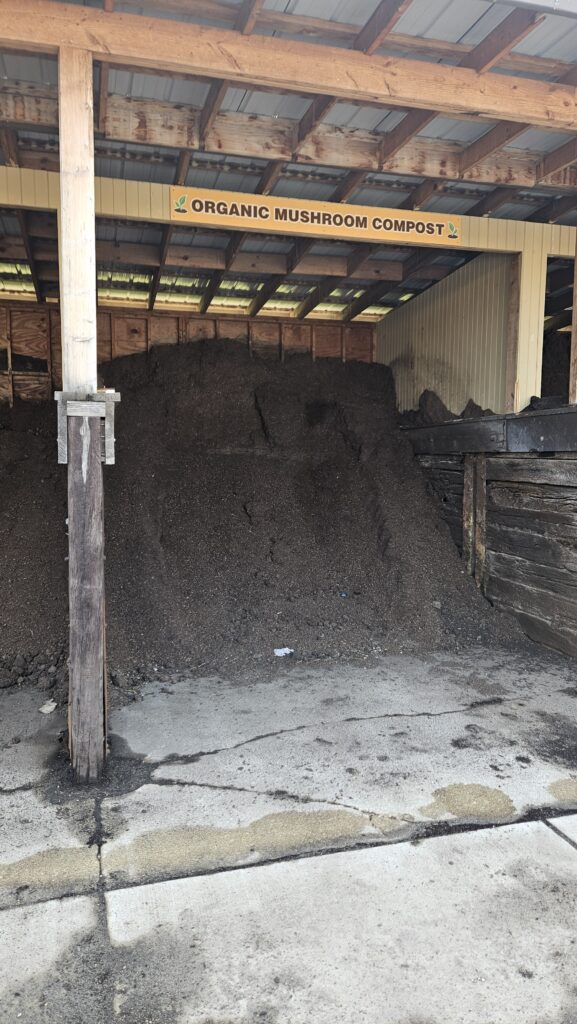
- Loosens Heavy Clay Soil: Adds bulk organic matter that physically breaks up compacted clay, improving aeration, drainage, and root penetration.
- Improves Moisture Retention and Drainage: Helps clay soil drain more effectively while retaining just the right amount of moisture for plant roots.
- Nutrient-Rich: Contains a moderate amount of plant-available nutrients, especially nitrogen and calcium, making it both a soil conditioner and a light fertilizer.
- Adds Organic Matter: Enhances the biological activity and fertility of the soil over time, contributing to better plant health and stronger root systems.
- pH Balancing Effect: Slightly alkaline, which can help neutralize overly acidic soils—a potential plus when working with peat-heavy or naturally acidic soils.
- Readily Available & Affordable: Often produced as a byproduct of commercial mushroom farming, it is relatively cost-effective and widely available in bulk.
- Consistent Texture: Screened and processed to be easy to handle and spread in garden beds or landscape areas.
Typical N-P-K of Mushroom Compost:
- N-P-K: Approximately 1 – 0.3 – 1
(May vary slightly based on the original growing substrate and how long it’s been composted) - Nutrient levels are mild but beneficial, supporting steady plant growth without burning.
Cautions with Mushroom Soil:
- High in Soluble Salts: Mushroom compost can contain elevated salt levels, which may be problematic for young seedlings or salt-sensitive plants (like strawberries, beans, or some ornamentals).
- Alkaline pH (around 6.5–7.5+): While this can help neutralize acidic soils, it may raise pH too much in already alkaline soils, affecting nutrient availability.
- May Require Supplemental Nitrogen: Though it contains some nitrogen, the Carbon-to-Nitrogen ratio* may still result in temporary nitrogen immobilization in the early stages of decomposition.
* What It Means:
- Carbon (C) provides energy for soil microbes.
- Nitrogen (N) is essential for building proteins and promoting microbial growth.
The C:N ratio tells you how easily and efficiently microbes can break down organic material. It influences how quickly compost decomposes and how well it supports plant growth when added to soil.
Our Top Recommendation for Improving Clay Dirt: Purple Cow Compost
![Purple Cow Organics logo]()
If you had to pick just one compost to start transforming clay soil for vegetables, Purple Cow Classic Compost is the best all-around performer. It breaks up the clay, improves drainage, feeds your soil biology, and supports long-term soil health. A little more expensive than some other compost options, but a preferred and trusted national brand.
Step 2: How to Apply the Compost
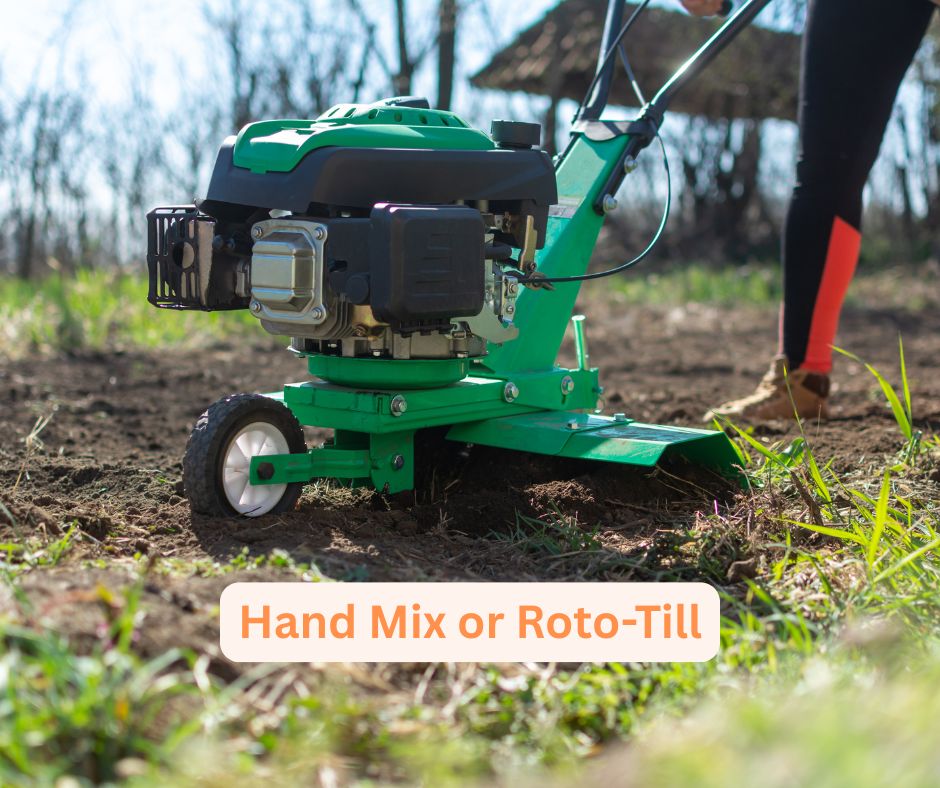 Use one of the composts above at a rate of 2–3 inches thick, and mix it into the top 6–8 inches of clay soil using a shovel, garden fork, or rototiller. This ensures the organic material is evenly distributed and begins transforming the dense clay from the inside out.
Repeat yearly for continued improvement!
Remember: Your garden soil will likely become depleted of nutrients after a single growing season. You can’t expect your garden to produce nutrient rich foods from nutrient starved soil.
Step 3: Should You Add Sand to Clay Soil?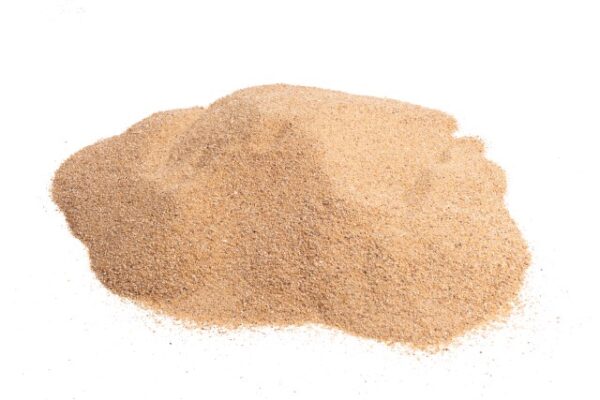
![Fine sand makes clay soil even worse.]()
Many gardeners ask us about mixing in sand. Here’s the honest answer:
Fine Sand: ❌ Don’t do it!
Fine sand can actually make clay worse. When fine particles combine with clay, you end up with something resembling brick. Definitely not what your carrots need.
Coarse Sand: ⚠️ Only in large volumes
To see a real benefit, you’d need to mix coarse sand in a 1:1 ratio with your clay soil—which is impractical for most home gardens. Even then, it’s a risky strategy unless you know exactly what you’re doing.
👉 Our Advice: Stick with organic composts. They’re safer, easier to use, and improve the soil long-term without the risk of turning your garden bed into a concrete slab.
Start Improving Your Clay Soil Today!
![vegetable garden soil blend]()
At Tim Wallace Soil Mix Supply, we’ve helped hundreds of local gardeners turn their sticky, stubborn clay soil into healthy, fertile ground ready for growing delicious veggies. Stop in or give us a call—we’re happy to recommend the right amendment based on your specific garden. 1481 W. Boughton Road, Bolingbrook, IL. (630) 759-1080 and on YouTube @TheSoilChannel-x1j